
What BC’s Housing Programs Mean for Homeowners and Renovators
Note: program details, rebate amounts, and eligibility rules change regularly. This article reflects information current as of the publication date. Always confirm with the official program source before making financial decisions.
If you’ve been researching government help for a renovation or a secondary suite, you’ve probably run into a frustrating problem: a lot of the information online is out of date. Programs that were widely announced have since been cancelled, and plenty of websites — including some contractor sites — are still promoting funding you can no longer get.
Here’s an honest picture of what exists right now, what doesn’t, and what actually helps Metro Vancouver homeowners.
©CBC British Columbia: How B.C. Builds is modelled after Vienna’s government-led housing
Programs that have ended
BC’s Secondary Suite Incentive Program (SSIP)
This was the big one: a forgivable loan covering up to 50% of construction costs to a maximum of $40,000 for homeowners adding a secondary suite or laneway house. It was announced as a three-year pilot, but the Province stopped accepting applications after March 2025 — two years early — citing economic conditions and an expected federal program. Existing pre-approvals are still being honoured, but new applications aren’t accepted.
The Canada Secondary Suite Loan Program
This was the federal replacement BC pointed to: loans up to $80,000 at 2% interest over 15 years. It was announced, widely publicized, and a launch was planned for early 2025 — but a portal never opened, and the 2025 federal budget confirmed the program was never operational and will not be implemented.
If you see a website telling you to apply for either of these, that page hasn’t been updated. There’s no application to submit.
BC’s Community Housing Fund has also been paused, though that program funded non-profit housing providers rather than individual homeowners.
What’s still available
CleanBC Better Homes and Home Renovation Rebate Program
This is the most useful active program for most renovating homeowners. It offers rebates for energy-efficiency upgrades — heat pumps, insulation, windows and doors, ventilation, and electrical panel upgrades — with no income requirement for the standard stream.
Rebate amounts change, and published figures vary depending on your utility, your current heating system, and which upgrades you bundle. Heat pump rebates for homes converting from electric resistance heating have been in the range of $4,000 to $6,000 under the standard stream, with insulation and window rebates available on top. Confirm current amounts at betterhomesbc.ca before planning around them — this is exactly the kind of figure that changes between the time an article is written and the time you read it.
CleanBC Energy Savings Program (income-qualified)
For households below certain income thresholds, this stream covers substantially more — reported figures have run well above the standard program, and it now extends to renters and condo owners. Worth checking whether your household qualifies before assuming you don’t.
BC Hydro and FortisBC rebates
Utility rebates are often delivered alongside CleanBC and can be combined with it.
Canada Greener Homes
The federal energy-efficiency programs complement the provincial ones, and stacking provincial, utility, and federal rebates on the same project is generally permitted. A comprehensive retrofit combining heating, insulation, and envelope work can access meaningful combined amounts — though the eye-catching totals you’ll see quoted online usually assume you do everything at once and qualify for every stream.
One important catch: heat pump and insulation rebates typically require installation by a contractor registered with the Home Performance Contractor Network (HPCN). If your contractor isn’t registered before you sign, you generally can’t claim the rebate no matter how good the work is. Ask first.
CMHC insured mortgage refinancing for secondary suites
This one did go ahead. Effective for mortgage insurance applications submitted from January 2025, homeowners can refinance against their property’s improved (post-renovation) value to help fund adding units. It’s financing, not a grant — but it’s the surviving mechanism for funding a suite build, and it works differently enough from the cancelled loan program that it’s worth talking to a mortgage broker about specifically.
Property transfer tax exemptions
For buyers rather than renovators, BC’s first-time buyer and newly-built-home PTT exemptions remain in place, with thresholds that are adjusted periodically.
The change that actually helps most homeowners
Here’s the thing: the most valuable housing policy change for Vancouver homeowners in recent years wasn’t a cheque — it was a zoning change.
Under BC’s Bill 44 and Vancouver’s resulting R1-1 “Residential Inclusive” zone , a main house plus a secondary suite plus a laneway house is now permitted outright on qualifying lots with lane access. Previously, that combination required a rezoning application that could take a year or more and often failed.
That change is worth considerably more than a $40,000 forgivable loan to most homeowners, because it removes the process barrier entirely. Multiplexes of three to eight units are also permitted on many lots, depending on size and whether units are strata or rental.
If you own a Vancouver property with lane access and have been assuming you can’t add a unit — that assumption may be out of date in your favour.
What BC Builds is (and isn’t)
You’ll see BC Builds mentioned frequently in housing coverage. It’s a provincial initiative using government and non-profit land plus low-cost financing to accelerate middle-income rental housing, and there’s also been a federal-provincial effort to convert vacant condo units into affordable housing.
These matter for the housing market, but they’re aimed at developers, municipalities, and non-profit housing providers — not individual homeowners renovating their own property. If you’re looking for help with your renovation, BC Builds isn’t it.
The condo conversion plan
In June 2026, the federal and B.C. governments announced a partnership to purchase empty Metro Vancouver condo units and make them available as affordable housing — roughly 2,200 units, with each government committing $150 million in cash and additional funding allocated for financing. Subsequent statements indicated the units would go into a rent-to-own program.
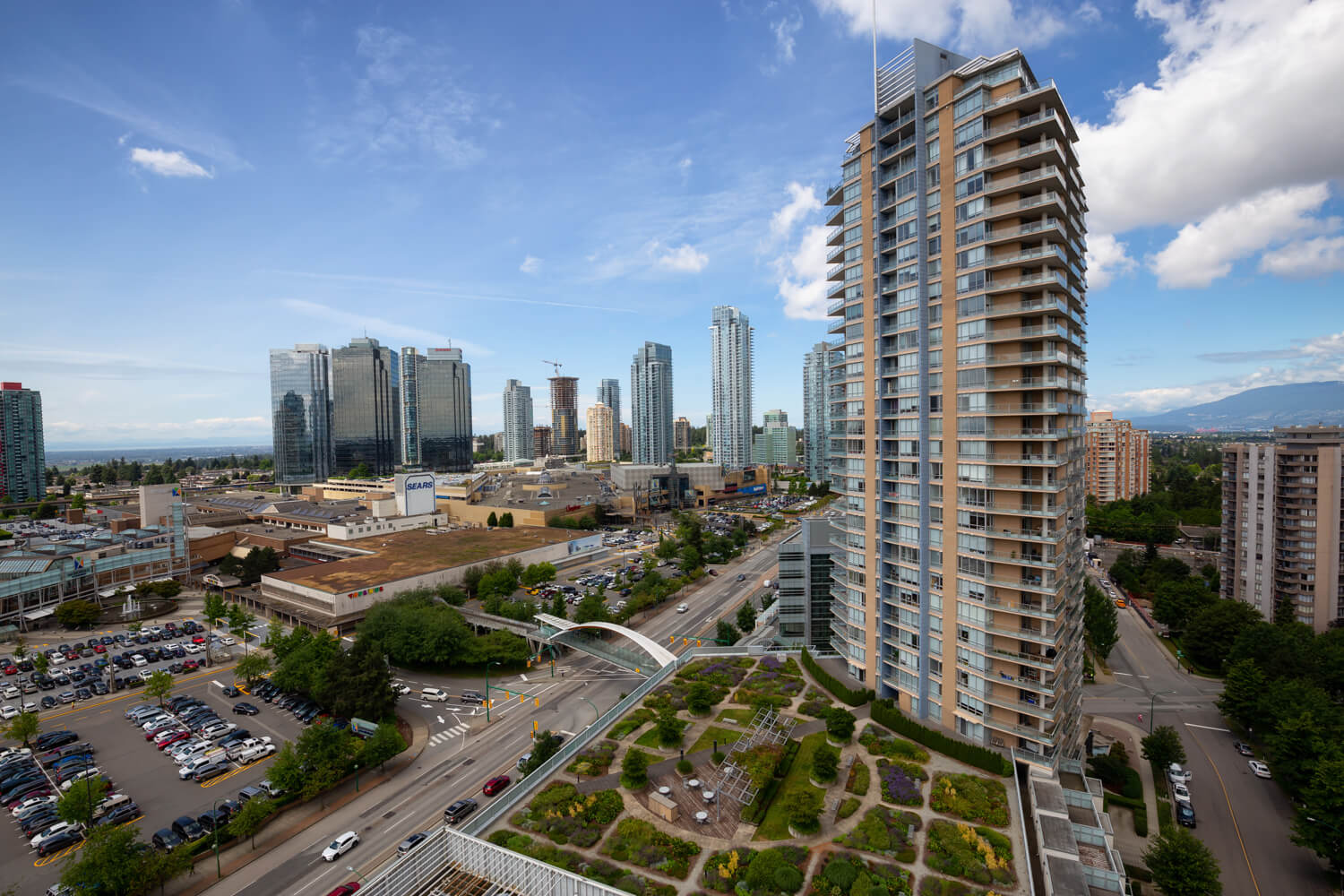
The context is a significant inventory of unsold new condos. CMHC data from May 2026 showed thousands of completed but unsold apartments across B.C., with the large majority in Metro Vancouver — concentrated in Burnaby, Richmond, and Coquitlam rather than the City of Vancouver.
The plan has drawn substantial debate. Supporters argue it converts already-built, empty units into homes people can afford faster than new construction could. Critics argue that purchasing unsold inventory props up prices that would otherwise fall, and that developers rather than taxpayers should absorb the losses. A parliamentary ethics committee review has been requested, and both governments have acknowledged that key details were announced before they were finalized.
What it means for homeowners: at the time of writing, not much directly. This is a government purchasing program, not something individual homeowners apply to. If you own a condo in one of the affected municipalities, it may have some effect on local market conditions, though reasonable people disagree about what that effect will be. If you’re buying, the rent-to-own component may eventually be relevant — but the program details were still pending as of publication.
As with everything in this article: confirm the current status before making decisions based on it.
Practical advice
Verify before you plan around a number.
This entire area changes frequently, sometimes with little notice. Check the official program websites — betterhomesbc.ca for energy rebates, bchousing.org for provincial programs — rather than relying on any article, including this one.
Ask about contractor registration early.
For energy rebates, using an HPCN-registered contractor isn’t optional.
Don’t let a rebate drive the project.
Rebates are a welcome offset, not a reason to do work you didn’t otherwise want. The programs that pay meaningfully — energy retrofits — are worth doing on their own merits in a climate like ours.
Talk to a mortgage broker about suite financing.
With the dedicated loan programs gone, financing a secondary suite is now a conversation about refinancing and equity rather than a government application.
Planning a renovation, secondary suite, or laneway house in Metro Vancouver? Tiger Ring Construction can help you understand what’s realistic for your property and what it will actually cost. Estimates are free.