Understanding the Vancouver Special: A Unique Architectural Style and Its Modern Renovation Potential
Vancouver, BC, is known for its stunning natural beauty, diverse culture, and distinctive architecture. Among the most iconic architectural styles in the city is the Vancouver Special—a type of home that has become synonymous with the city’s residential landscape. If you own one of these unique homes or are considering purchasing one, understanding its history and renovation potential is key to making the most of this classic Vancouver dwelling.
History of the Vancouver Special
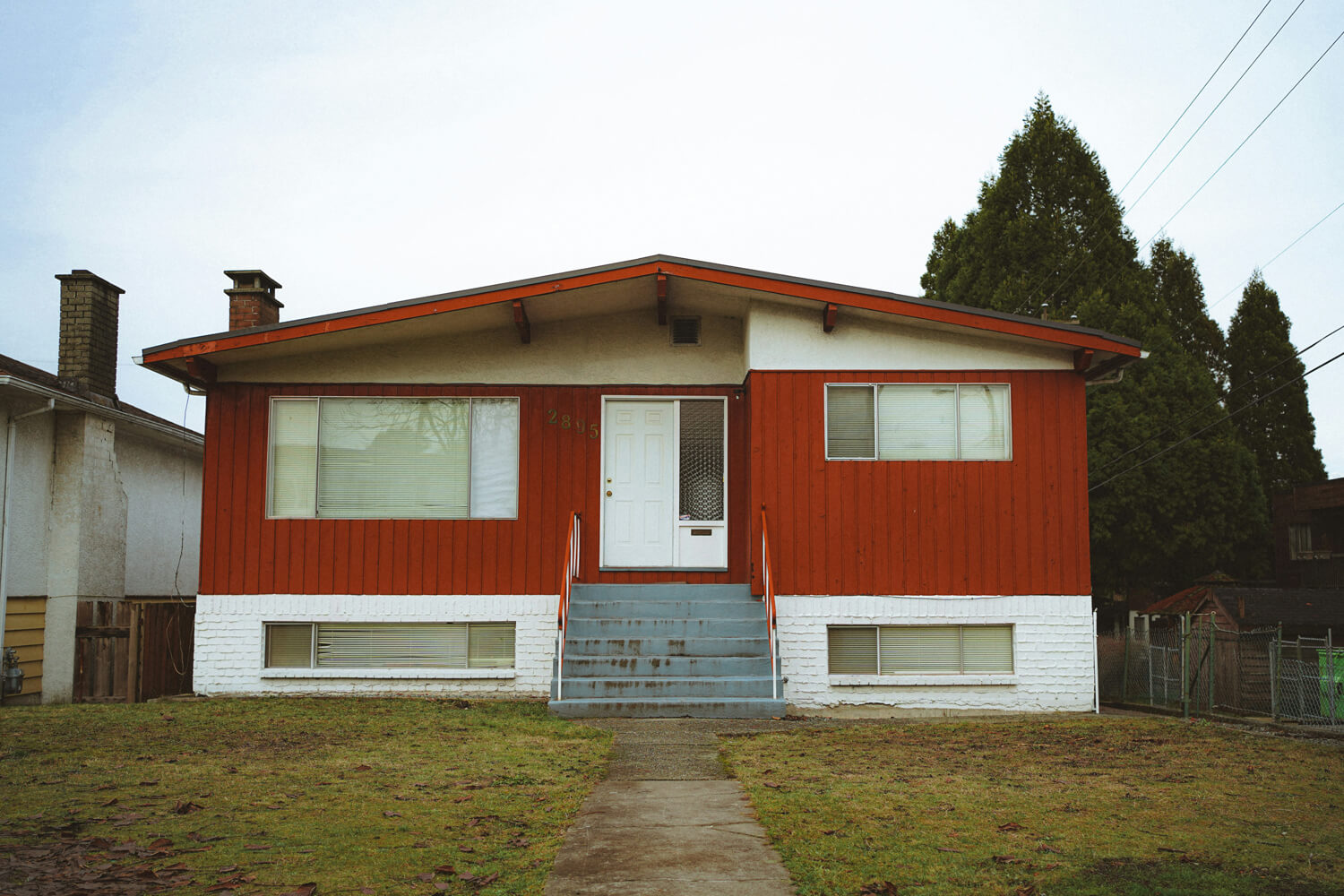
The Vancouver Special emerged in the 1960s and 1970s as a response to the city’s rapid population growth and the need for affordable, spacious housing. These homes were designed with practicality in mind, offering large, adaptable living spaces that could accommodate extended families or rental units. The Vancouver Special quickly became popular due to its cost-effectiveness and ability to maximize living space on narrow city lots.
Key features of the Vancouver Special include its boxy, two-story design, low-pitched roof, and split-level entry. The homes typically feature a straightforward, no-frills facade, often clad in stucco or brick. Despite their utilitarian appearance, these homes were beloved for their functionality and the ease with which they could be constructed, making them a common sight in many Vancouver neighborhoods.
Reference: Wikipedia – Vancouver special
Architectural Features
© Source: Vancouver Heritage Foundation
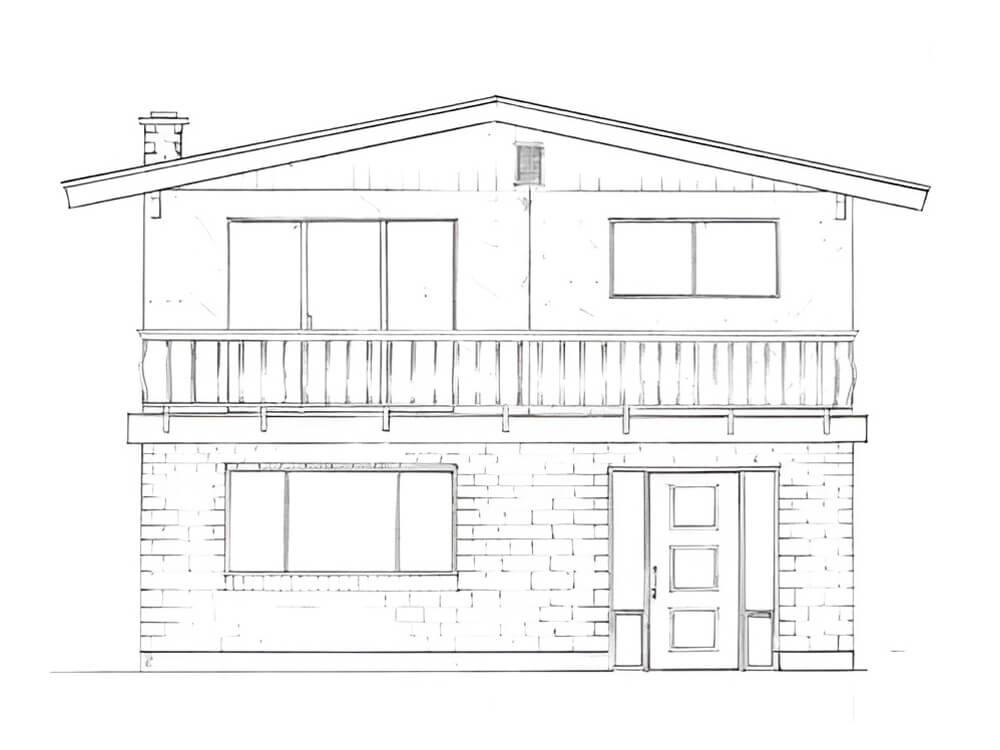
The Vancouver Special is instantly recognizable thanks to its distinctive design. Typically, these homes have a rectangular shape, with a width that spans almost the entire lot. The first floor often includes a living room, kitchen, and bedrooms, while the ground floor might house additional living space, rental suites, or storage. Large windows and balconies are common, offering ample natural light and outdoor space.
The design of the Vancouver Special was highly adaptable, which allowed homeowners to customize their interiors to meet their needs. The homes were often built using cost-effective materials such as stucco, aluminum siding, and concrete, which helped keep construction costs low. Over time, variations of the Vancouver Special began to emerge, with some homeowners opting for different facades or interior layouts to suit their preferences.
Key Structural Characteristics
- Boxy, Two-Story Footprint: Built as a simple rectangular block with a completely flat front façade, maximizing the interior volume right up to the allowable property setbacks.
- Low-Pitch Gable Roof: A very shallow, wide-angled roofline that minimized attic space to keep the home’s overall height within municipal limits while optimizing upper-floor ceiling height.
- The Upper Balcony: A signature full-width or half-width balcony across the front of the second story, accessible via large sliding glass doors.
- Split-Level Exterior Finishes: To break up the massive rectangular structure visually, builders typically used brick or stone veneer on the lower ground level and painted stucco or wood siding on the upper level.
- At-Grade Lower Level: Unlike older homes with dug-out, dark basements, the lower level of a Vancouver Special sits directly at ground level (at-grade). This made the bottom floor bright, highly livable, and incredibly easy to convert into an independent rental suite.
The Standerd Floor Plan of the Vancouver Special
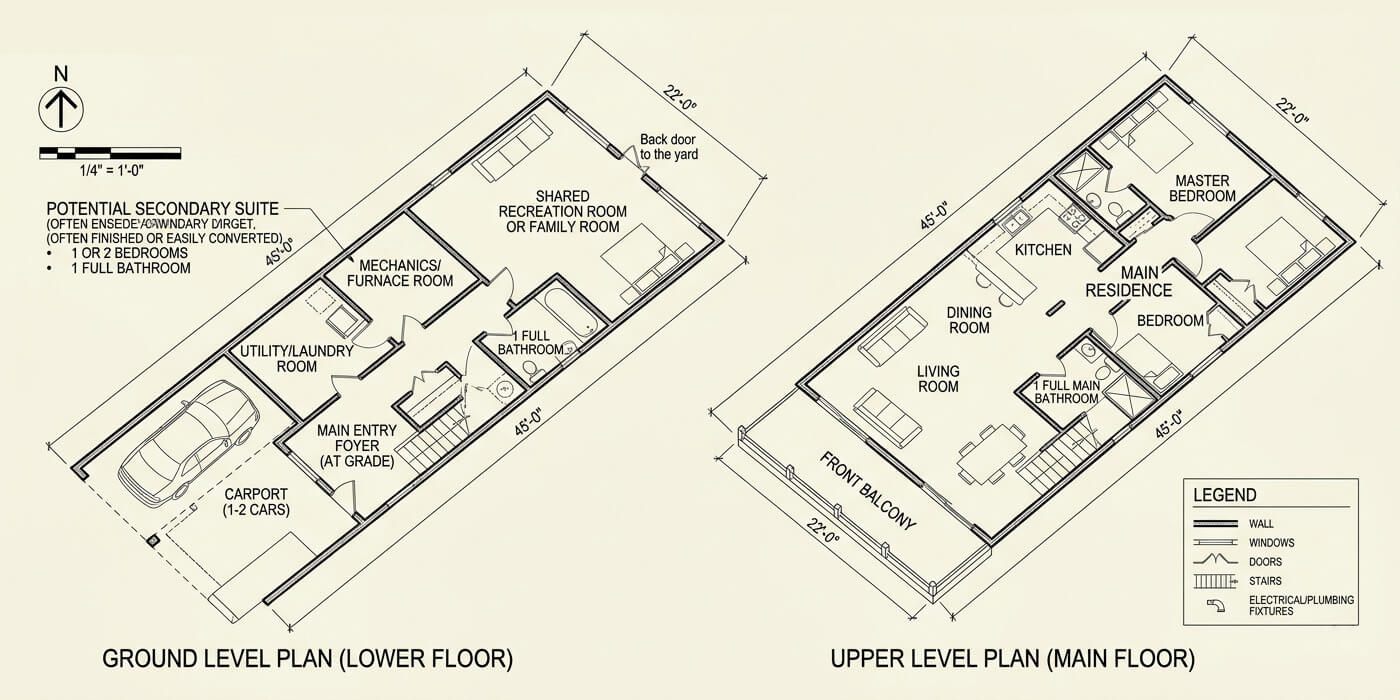
True to the style’s reputation for maximizing space on a narrow footprint, these homes were essentially built as two independent rectangular boxes stacked on top of each other, typically measuring around $22′ times 45’$.
Upper Level Plan (The Main Living Space)
In a traditional Vancouver Special, the primary family quarters are counterintuitively placed on the upper floor to take advantage of natural light and street views.
- Public Zone (Front): The front portion of the upper level is entirely open-concept, containing a spacious Living Room and Dining Room that span the width of the house. This area opens directly via sliding doors onto the prominent, full-width Front Balcony.
- Central Kitchen: Positioned right off the dining room, the Kitchen acts as a buffer between the social spaces and the quiet bedrooms at the rear.
- Private Zone (Rear): The back of the upper floor features a compact layout containing a Master Bedroom, a second Bedroom, and a shared Full Bathroom.
- Circulation: A central staircase connects this level directly to the main ground-floor foyer.
Ground Level Plan (The Flexible Lower Floor)
The lower level sits entirely at-grade (ground level), meaning it features full-height ceilings and standard windows, making it vastly superior to dark basements of older eras.Main Entry Foyer: Located at the front side of the house, providing immediate access to the upper stairs.
- Integrated Carport: A recessed Carport (capable of holding 1 to 2 cars) is carved out of the front footprint of the ground level.
- Utility & Mechanicals: Tucked into the center of the floor plan is a Utility/Laundry Room and a dedicated Mechanics/Furnace Room.
- Flex Space / Secondary Suite (Rear): The back half features a large Shared Recreation Room (or Family Room) with a back door leading directly to the yard, alongside an additional Full Bathroom.
The Rental Income Strategy
Because this lower level was built at ground grade with its own rear exit, plumbing access, and separate zones, it was incredibly easy for homeowners to close off the central stairs and convert the entire back half into a legal or unauthorized 1- or 2-bedroom secondary rental suite to help pay off their mortgage.
The Appeal of the Vancouver Special Today
Despite their simple appearance, Vancouver Specials remain highly sought after in today’s real estate market. One of the main reasons for their continued appeal is the flexibility of the layout, which makes these homes ideal candidates for modern renovations. The spacious interiors and large lots offer endless possibilities for customization, allowing homeowners to transform these classic homes into modern, functional spaces that meet contemporary needs.
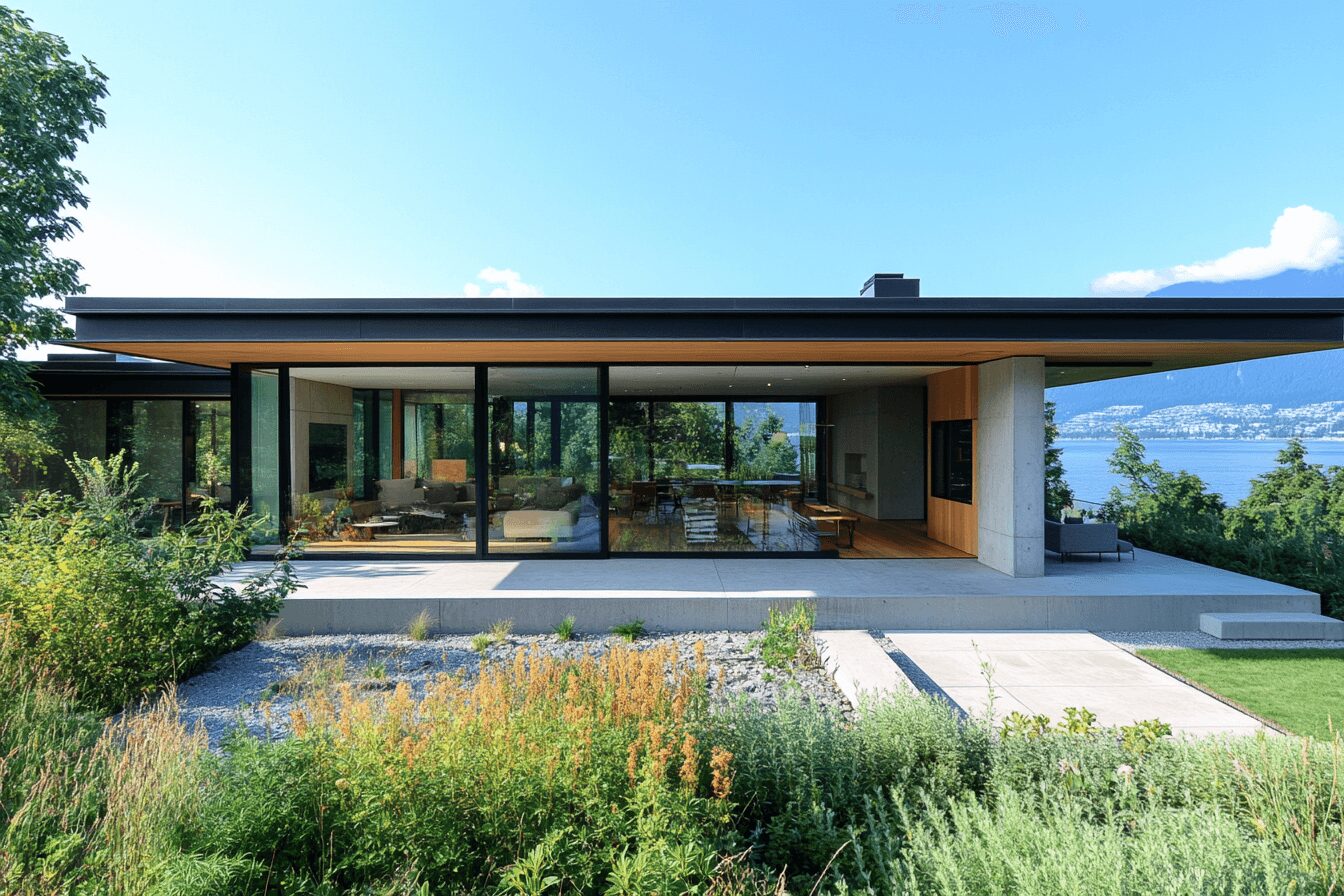
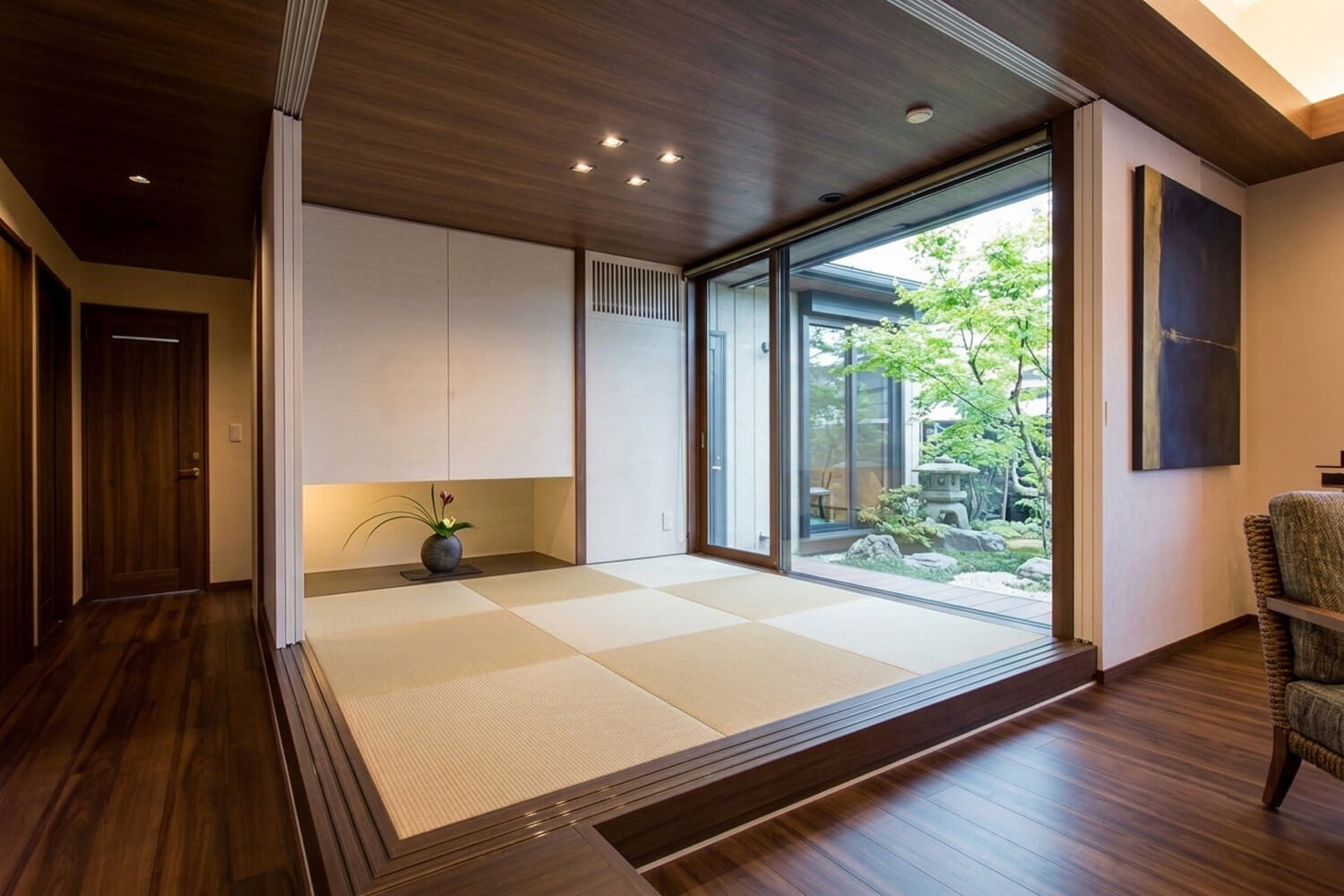
In recent years, many Vancouver Specials have undergone impressive renovations that preserve the original character of the home while introducing modern amenities and design elements. From open floor plans to sleek, updated facades, these renovations demonstrate the potential of the Vancouver Special to be both a historical artifact and a modern, livable home.
Renovating a Vancouver Special
If you’re considering renovating a Vancouver Special, there are several important factors to keep in mind. First, it’s essential to assess the structural integrity of the home. Many Vancouver Specials were built quickly and cheaply, which means that some may require significant updates to meet modern building codes and energy efficiency standards.
When planning your renovation, consider how to enhance the home’s functionality while preserving its unique character. Popular renovation trends include opening up the floor plan to create a more spacious and connected living area, updating the facade to give the home a more contemporary look, and adding features like skylights or large windows to increase natural light. Working with a contractor who has experience with Vancouver Specials can be invaluable in navigating the challenges and opportunities these homes present.
Preserving the Vancouver Special’s Heritage
While modernizing a Vancouver Special can greatly improve its livability, it’s also important to consider the home’s historical significance. These homes are an important part of Vancouver’s architectural heritage, representing a specific era of the city’s development. If you’re interested in preserving this heritage, there are ways to balance modern updates with efforts to maintain the home’s original style.
Consider preserving key architectural features, such as the exterior facade or the original layout, while incorporating modern amenities that enhance the home’s functionality. There are also resources available for homeowners who want to learn more about the history of their Vancouver Special and how to preserve its unique characteristics during a renovation.
The Vancouver Special holds a unique place in the city’s architectural landscape, offering both historical significance and modern potential. Whether you’re looking to preserve the original charm of your home or completely transform it into a contemporary living space, understanding the history and features of the Vancouver Special is the first step toward a successful renovation.
With careful planning and the right approach, you can turn your Vancouver Special into a home that reflects both the past and the future of Vancouver’s vibrant residential scene. If you’re ready to explore the possibilities, reach out to Tiger Ring Construction today and start your renovation journey.