How to Build a Tatami Room: Step-by-Step DIY Guide
A tatami room is a traditional Japanese interior space built around natural materials, modular flooring, and minimalist design principles. While originally found in traditional Japanese homes, tatami-style rooms are now widely used in modern houses for meditation spaces, guest rooms, and calm living environments.
This guide explains how to build a tatami room step by step, including layout planning, flooring preparation, installation methods, and maintenance considerations for long-term durability.
What Is a Tatami Room?
A tatami room (washitsu) is a traditional Japanese-style room defined by tatami mat flooring made from rice straw cores and woven rush grass surfaces. These rooms are designed to create a soft, natural, and flexible living space.
Unlike Western-style rooms with fixed furniture layouts, tatami rooms are modular and adaptable. The floor itself becomes the main design element, often dictating furniture placement, movement flow, and room purpose.
Tatami rooms are commonly used for:
- Meditation or relaxation spaces
- Sleeping areas with futons
- Tea ceremony rooms
- Minimalist living spaces
Step 1: Choose the Right Space
Selecting the right room is critical because tatami installations rely heavily on stable environmental conditions. Not all rooms are suitable without modification.
Ideal spaces include spare bedrooms, finished basements, or quiet areas with controlled temperature and humidity. The space should be structurally sound, level, and protected from moisture intrusion.
This step matters because tatami mats are natural materials and can be sensitive to mold, humidity, and uneven flooring. Poor room selection can significantly reduce lifespan and increase maintenance issues later.
Step 2: Plan the Layout
Tatami mats follow a precise modular system, meaning room layout is not arbitrary. Each mat has a fixed size, and traditional arrangements avoid awkward cuts or visually unbalanced patterns.
Proper layout planning ensures:
- Efficient use of space
- Balanced visual symmetry
- Smooth movement flow
- Proper alignment of seams
In traditional design, certain layout patterns are avoided because they are considered visually or culturally unbalanced. While modern installations are more flexible, planning still affects comfort and aesthetics.
Step 3: Prepare the Subfloor
The subfloor is one of the most important structural components of a tatami room. Even small imperfections can lead to uneven surfaces, premature wear, or moisture-related damage.
A proper subfloor must be:
- Completely level
- Clean and dust-free
- Dry and moisture-protected
In many renovation cases, installers add plywood leveling layers or underlayment systems to improve surface consistency. In basements or older homes, vapor barriers are often required to prevent moisture damage.
Step 4: Install Tatami Mats
Tatami installation is the defining stage of the project. Mats must be placed carefully to ensure tight seams, proper alignment, and a uniform surface.
Installation typically begins from a corner and follows the planned layout. Mats are fitted edge-to-edge without gaps, as even small spacing can affect both appearance and stability.
Tatami mats should also be handled carefully because:
- They can absorb moisture from the air
- Direct sunlight can cause fading
- Improper handling can damage edges
Step 5: Add Sliding Doors or Dividers
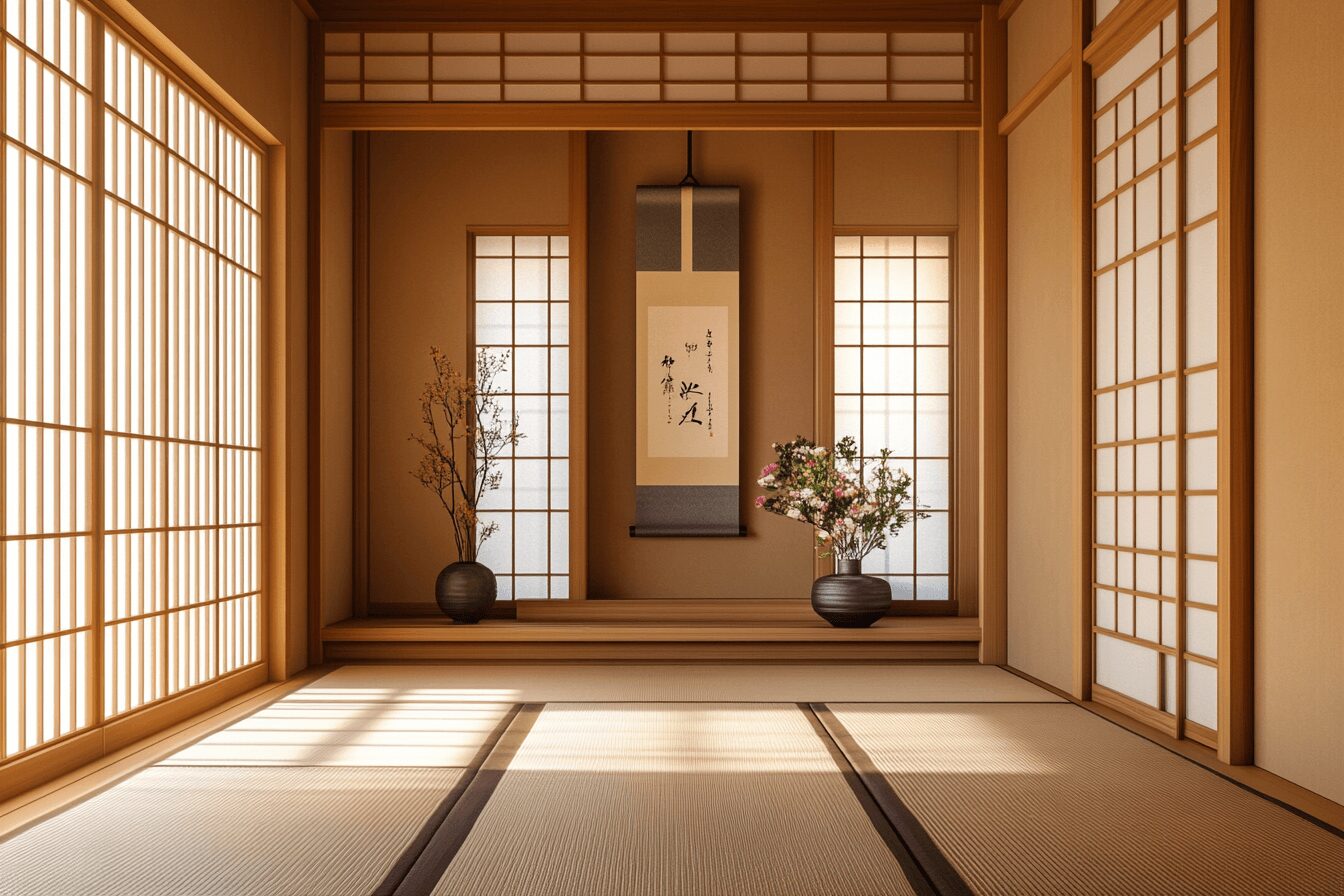
Traditional tatami rooms use sliding doors (Shoji) or partitions to define space without permanent walls. These elements are important because they maintain openness while allowing flexibility in room function.
Common options include:
- Shoji screens for soft natural lighting
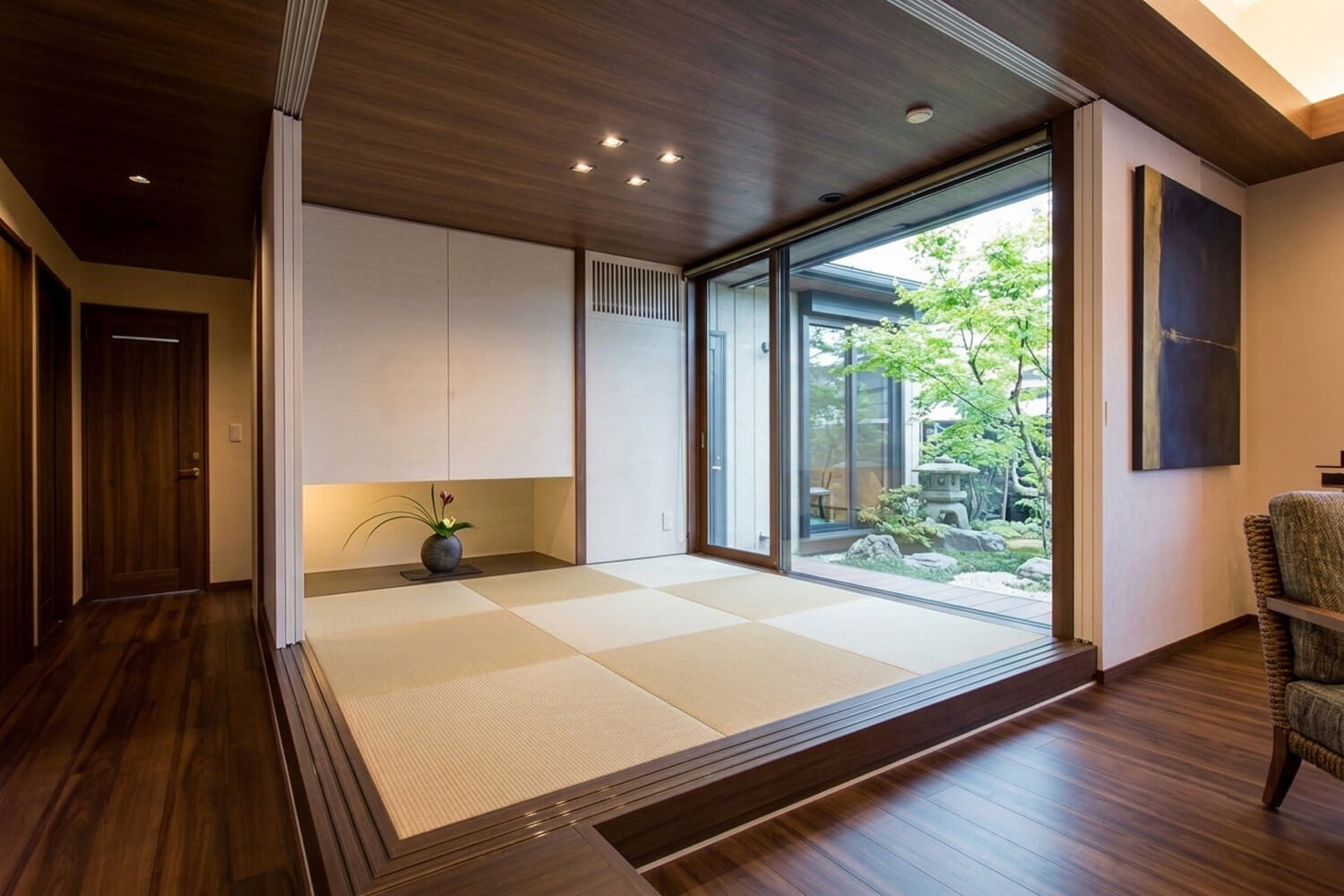
- Sliding wood or glass panels for modern homes
- Fabric or modular dividers for flexible layouts
These features help maintain the minimalist aesthetic while improving usability in modern residential designs.
Step 6: Choose Low Furniture and Accessories
Tatami rooms are designed around floor-level living, meaning furniture must complement rather than dominate the space.
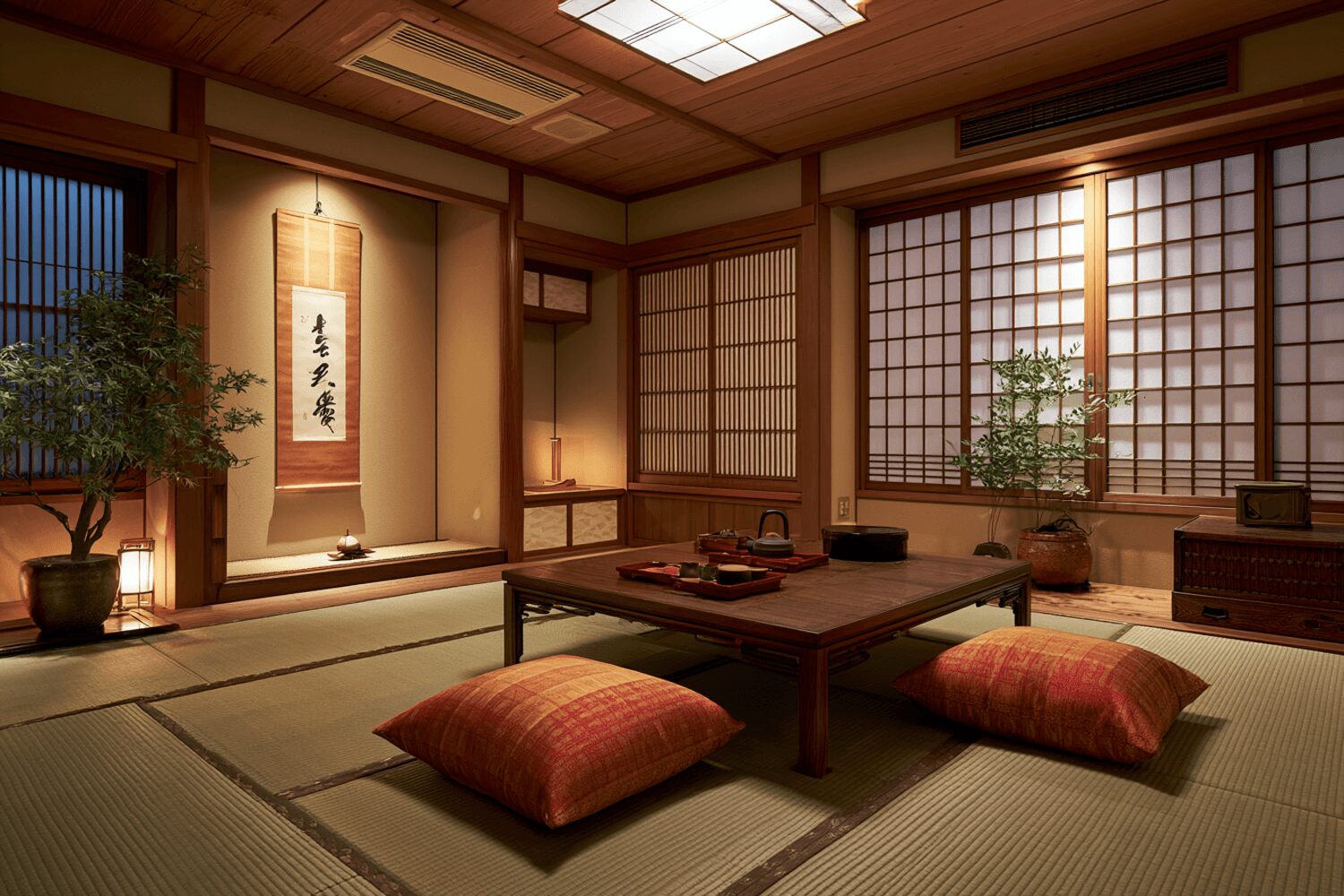
Common furnishings include futons, low tables, and floor cushions. Storage is typically minimal or built into surrounding cabinetry to maintain a clean visual environment.
Heavy furniture is generally avoided because it can compress or damage tatami surfaces over time.
Step 7: Control Lighting and Atmosphere
Lighting plays a major role in achieving the intended mood of a tatami room. The goal is to create soft, indirect lighting that enhances calmness and natural material textures.
Warm lighting tones are preferred, often paired with paper-style fixtures or diffused LED lighting systems. Harsh overhead lighting is avoided because it disrupts the relaxing atmosphere.
Natural light is also important, but it should be filtered through shoji screens or curtains to reduce glare and protect tatami materials from UV exposure.
Step 8: Maintain the Tatami Room
Tatami requires ongoing maintenance to preserve its appearance and structural integrity. Because it is made from natural materials, it reacts to humidity, dust, and daily wear.
Proper maintenance includes:
- Regular gentle vacuuming
- Immediate cleaning of spills
- Controlled humidity levels
- Periodic ventilation of the room
- Rotating mats if needed to balance wear
With proper care, tatami mats can last for many years while maintaining their texture and comfort.
Cost of Building a Tatami Room (Overview)
The cost of building a tatami room varies depending on materials, room size, and whether structural modifications are required.
Key cost factors include:
- Tatami mat quality and quantity
- Subfloor preparation and leveling
- Sliding door systems or partitions
- Labour if professionally installed
DIY installations are more cost-effective, but professional construction ensures higher precision, especially in homes with uneven floors or moisture concerns.
Final Thoughts
A tatami room is more than a design feature; it is a functional living space that emphasizes simplicity, balance, and natural materials. When properly constructed, it becomes a long-lasting and highly adaptable area within a modern home.
For homeowners interested in Japanese-inspired design or minimalist renovation projects, a tatami room offers both aesthetic and functional value.