Earthquake Preparedness for Vancouver Homeowners: What the “Big One” Means for Your House
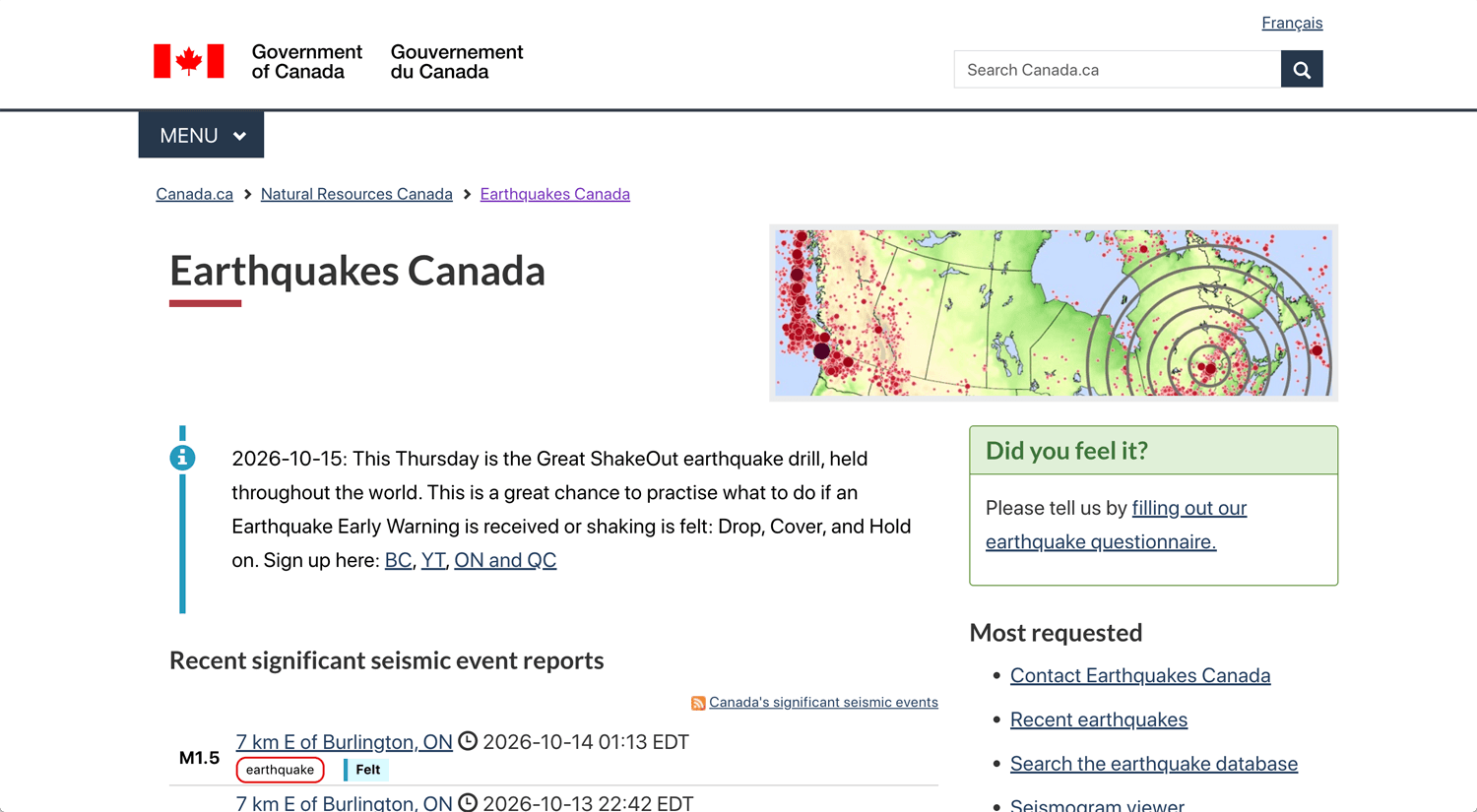
Every October, British Columbia pauses for the Great BC ShakeOut, a province-wide earthquake drill where people practice Drop, Cover, and Hold On. It’s a useful reminder, but for homeowners, the more practical question usually comes after the drill ends: is my actual house ready?
That’s a different question from “will there be an earthquake,” and it has a more useful answer.
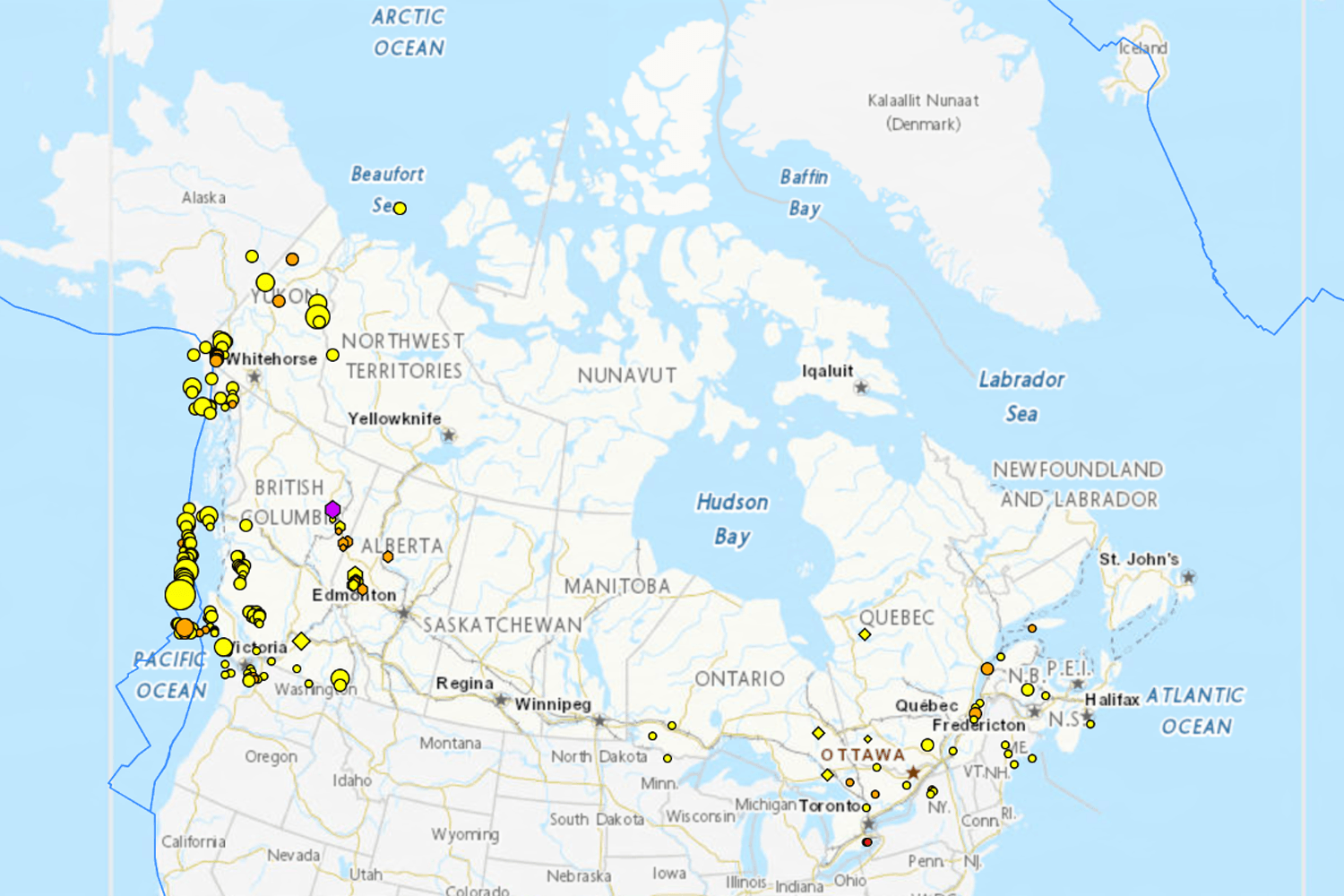
©CBC News: The ‘Big One’ just got more complicated
The real risk, without the drama
Vancouver sits near the Cascadia Subduction Zone, and seismologists talk about two different kinds of risk here, which is worth separating out because they call for different things.
The “Big One” is the scenario most people have heard of: a major offshore megathrust earthquake, magnitude 8 or 9, on the Cascadia fault. The Geological Survey of Canada estimates roughly a one in five chance of a damaging earthquake affecting the region over the next 50 years. A provincial scenario report modeling a magnitude-9.0 event estimated it could cause over 3,400 fatalities and roughly $128 billion in economic losses provincewide, with the heaviest building damage concentrated on Vancouver Island and a roughly 20-kilometre coastal band through Metro Vancouver.
A shallower, closer earthquake is the other scenario researchers point to, and in some ways it concerns structural engineers more, because it would be nearer to the city and could shake buildings harder even at a lower magnitude. The City of Vancouver has estimated that a magnitude 7.2 earthquake centred in the Strait of Georgia could at least moderately damage around 13,000 buildings citywide, with roughly 6,000 of those likely to collapse or require demolition.
Smaller earthquakes happen off the BC coast regularly and rarely cause any damage. Several were recorded off Vancouver Island in the past few months alone, felt as tremors but without injury or structural harm. These aren’t a sign that “the Big One” is imminent, they’re simply normal activity in a seismically active region, and the main reason the topic resurfaces in the news periodically.
The honest summary: this isn’t a prediction of when something will happen, it’s a known, long-term regional risk that’s worth planning around the same way you’d plan around Vancouver’s rain, not the same way you’d panic about a storm forecast for tomorrow.
Which homes are most at risk
Not every home needs the same attention. The homes structural engineers focus on first are:
- Pre-1980s wood-frame houses. Older construction techniques and building codes didn’t account for seismic forces the way current code does. This covers a large share of Vancouver’s housing stock, including many Vancouver Specials and character homes.
- Homes with a raised foundation and crawl space. If your house sits on short wood-framed walls (called cripple walls) above a concrete foundation, those walls are a common weak point, since they can buckle sideways during shaking and let the floor above drop.
- Homes not bolted to their foundation. Without a solid connection between the wood structure and the concrete foundation, a house can shift or slide off its foundation during strong shaking, which is one of the most damaging and most preventable failure modes.
If your home was built after the 1980s to current code, or has a solid concrete basement rather than a crawl space, your risk profile is generally lower, though a professional assessment is the only way to know for certain.
What a seismic retrofit actually involves
For most older Vancouver houses, the two upgrades that matter most are straightforward, well-understood, and don’t require rebuilding the house:
Foundation bolting (anchor bolts). Steel bolts connect the wood sill plate of the house directly to the concrete foundation, so the structure can’t slide off during lateral shaking. This is often considered the single highest-value retrofit, since it addresses the most common and most dangerous failure.
Cripple wall bracing. Plywood sheathing is added to the short walls in the crawl space between the foundation and the first floor, stiffening them so they can’t buckle sideways and bring the floor down.
These two upgrades are frequently done together, since the work happens in the same crawl space and complements itself. A structural engineer or qualified contractor assesses the home first, which for a straightforward house can often follow established, prescriptive methods rather than requiring extensive custom engineering.
Other upgrades that come up less often but matter for specific homes: water heater strapping (a cheap, simple fix that prevents a tipped tank from causing a gas or water leak), reinforcing unreinforced masonry chimneys, and, for homes with significant foundation deterioration, broader foundation repair or replacement.
What it costs in Vancouver
Costs vary with the home’s size, foundation type, crawl space access, and how much work is needed, so these are planning ranges rather than quotes:
- Foundation bolting (anchor bolts): roughly $2,000–$6,000
- Cripple wall bracing: roughly $3,000–$12,000
- Bolting and bracing combined, which is typical for a standard older house: often lands in the low-to-mid five figures
- Major foundation reinforcement or replacement (for homes with deteriorating foundations, a separate and larger scope): roughly $15,000–$60,000 or more
For homes already undergoing a basement renovation, suite conversion, or foundation work, adding seismic retrofitting at the same time is almost always cheaper than doing it as a standalone project later, since the crawl space or foundation access is already open.
Earthquake insurance: the piece most people don’t know about
This connects directly to retrofitting, and it’s worth understanding even if you never plan to file a claim.
Earthquake damage is not included in a standard BC home, condo, or tenant insurance policy. It has to be purchased separately, as an add-on, and it comes with a different kind of deductible than homeowners are used to.
Rather than a flat dollar amount, earthquake deductibles are percentage-based, typically somewhere in the range of 5% to 15% of your dwelling’s insured value, with BC’s coastal region, including Vancouver, often at the higher end of that range. On a home insured for $800,000 with a 10% deductible, that’s $80,000 you’d pay out of pocket before coverage begins. For condo owners, strata earthquake deductibles can run even higher as a share of building value, and that cost gets divided among unit owners through a special assessment if a major quake causes damage.
This is exactly why retrofitting matters even for homeowners who carry insurance: a large percentage deductible means insurance protects against catastrophic loss, not against the kind of moderate structural damage that proper bolting and bracing can often prevent in the first place.
What to actually do
Get an assessment, not just an opinion. A structural engineer or an experienced contractor can look at your specific foundation, crawl space, and construction era and tell you where you actually stand, rather than applying a generic risk level based on your home’s age alone.
Prioritize in order of value. If budget is a constraint, foundation bolting generally comes first, cripple wall bracing second, and simpler items like water heater strapping are inexpensive enough to do regardless.
Time it with other work. If you’re already planning a basement renovation, foundation repair, or suite conversion, that’s the ideal moment to add retrofitting, since the access and labour overlap with work you’re already doing.
Review your insurance separately. Retrofitting and insurance aren’t substitutes for each other. A well-retrofitted home is less likely to suffer the kind of damage that triggers a large deductible, but insurance remains the backstop for a major event. Talk to your broker about current earthquake coverage and deductible options for your specific policy.
Secure the inside of your home too. Retrofitting protects the structure, but most earthquake injuries come from falling or shifting objects inside the house. Strapping heavy furniture and water heaters, securing bookshelves to studs, and knowing your household’s Drop, Cover, and Hold On plan matter regardless of your home’s construction.
Final thoughts
Vancouver’s earthquake risk is real, well-documented, and not going away, but it’s also not a reason for alarm. It’s a known, manageable risk, similar in spirit to how the city already plans around heavy rain and flooding. For many older homes, the most valuable retrofitting work is a well-understood, moderately priced project, not a major renovation. The families who come out ahead are the ones who get an honest assessment before anything happens, not after.
Note: earthquake risk estimates, retrofit costs, and insurance terms change over time and vary by property. This article reflects general information current as of the publication date. For a reliable picture of your own home, consult a structural engineer, a licensed contractor, and your insurance broker directly.
Have an older Vancouver home and want to know where you actually stand? We can assess your foundation and crawl space and give you a clear, honest picture of what retrofitting would involve, especially if you’re already planning a basement or foundation project. Estimates are free.