Tatami Maintenance Guide: Cleaning, Lifespan & Common Problems
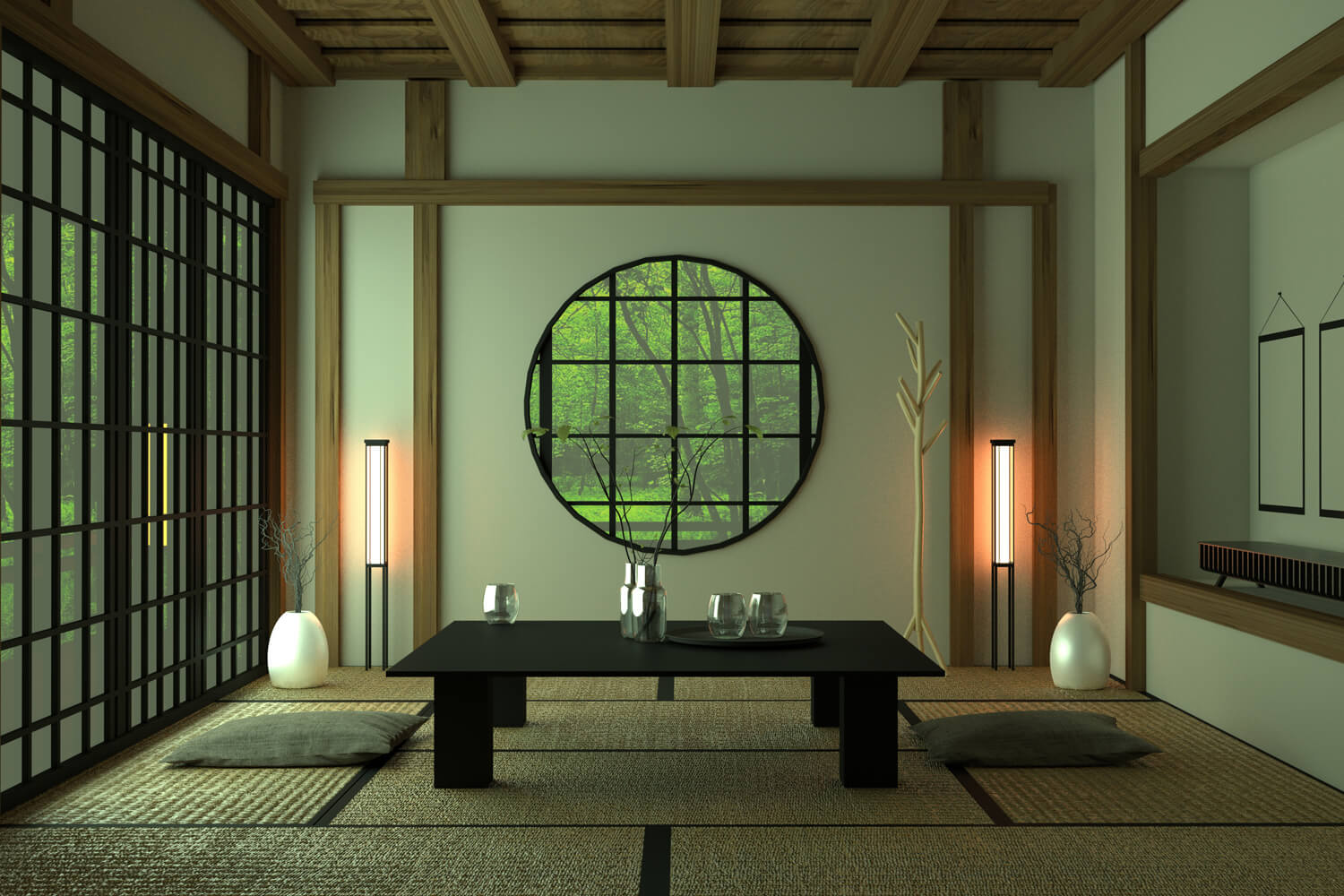
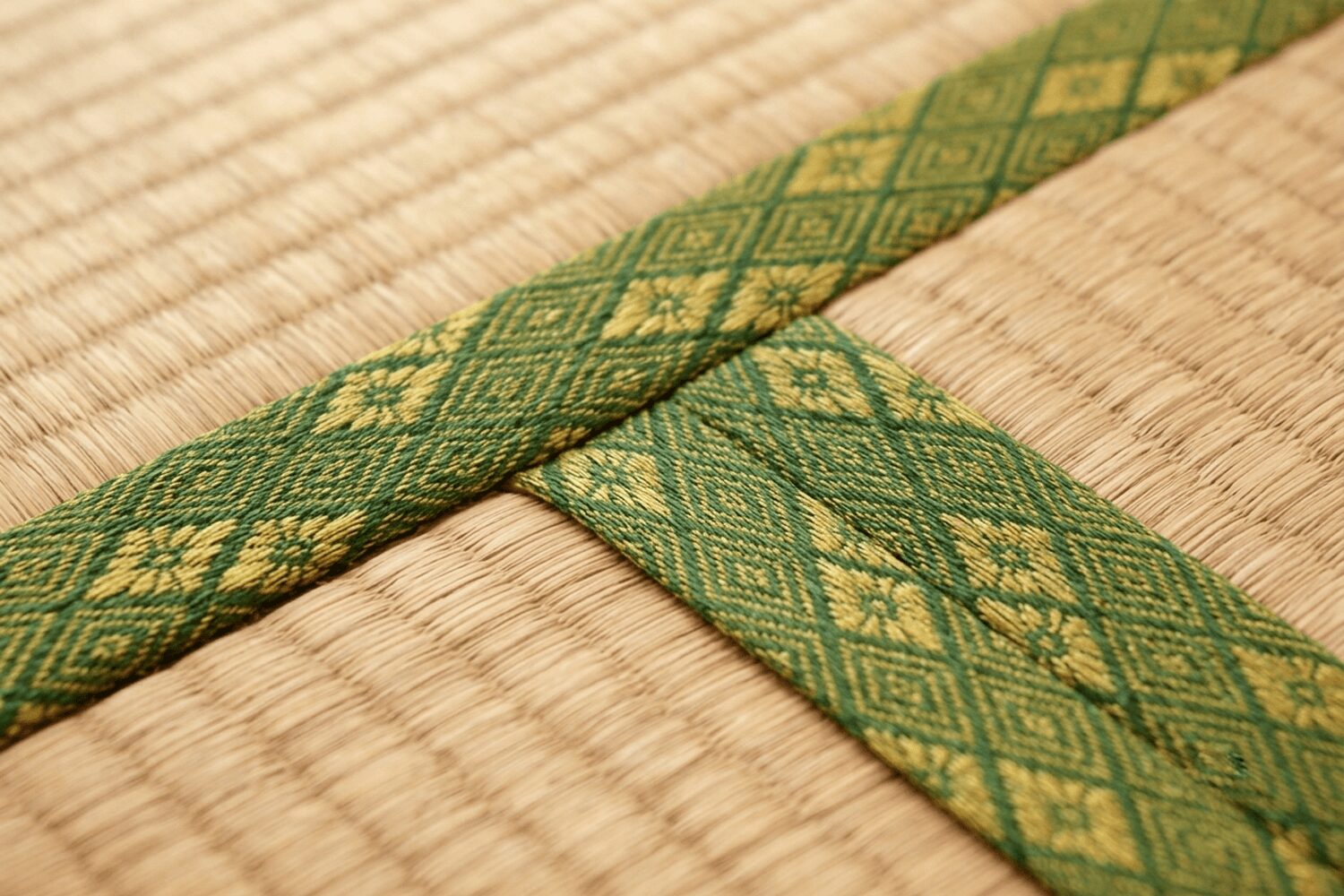
Tatami mats are a core element of traditional Japanese interiors, known for their natural texture, comfort, and minimalist aesthetic. However, unlike standard flooring materials, tatami requires proper maintenance to preserve its appearance and structural integrity over time.
Because tatami is made from natural plant-based materials, it is more sensitive to moisture, sunlight, and wear. With the right care routine, though, tatami mats can last many years while maintaining their comfort and visual appeal.
This guide explains how to clean tatami properly, how long it lasts, and the most common problems homeowners should watch for.
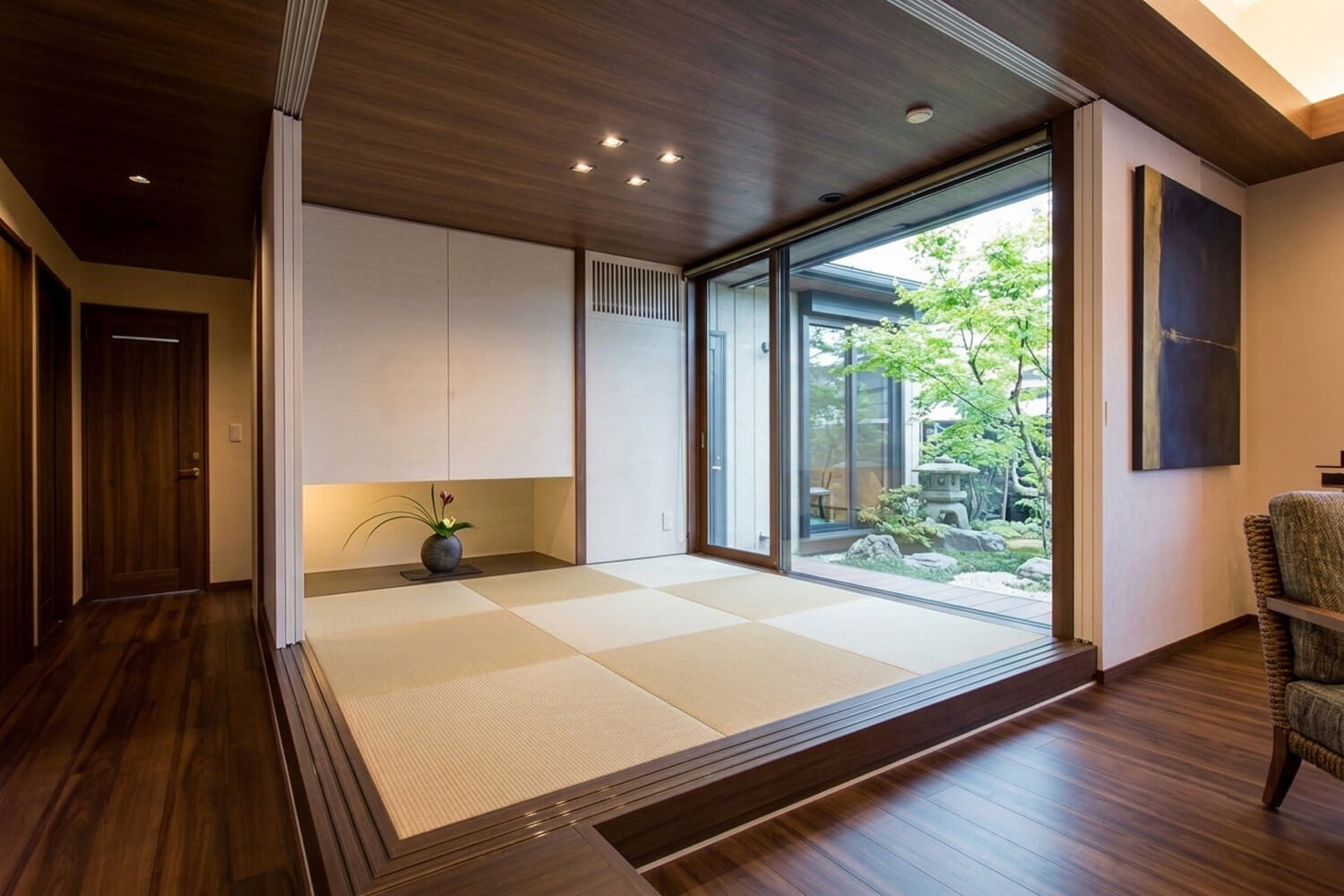
©Natasha Theresa: I tried 3 different Japanese tatami mats, here’s how it went
Why Tatami Maintenance Matters
Tatami mats are not just flooring—they are breathable natural surfaces that react to indoor environmental conditions.
Without proper maintenance, tatami can:
- Absorb moisture and develop mold
- Fade from sunlight exposure
- Wear unevenly in high-traffic areas
- Lose structural firmness over time
Regular care helps preserve both hygiene and durability, especially in modern homes where climate conditions may differ from traditional Japanese interiors.
How to Clean Tatami Mats Properly
Cleaning tatami requires a gentle approach. Harsh chemicals or excessive water can damage the natural fibers and shorten lifespan.
1. Regular vacuuming
Use a vacuum cleaner on low suction to remove dust and debris. Always move in the direction of the tatami weave to avoid damaging the surface.
2. Dry wiping
A soft, dry cloth can be used to remove surface dust. Microfiber cloths work well for maintaining texture without abrasion.
3. Spot cleaning spills
If spills occur, wipe immediately using a dry cloth. Avoid letting moisture sit on the surface, as tatami absorbs liquids quickly.
4. Deep cleaning (occasional)
Lightly damp cloths may be used sparingly, but excess water should always be avoided. Proper drying and ventilation are essential afterward.
How Long Do Tatami Mats Last?
The lifespan of tatami depends on usage, environment, and maintenance quality.
On average:
- Light-use rooms: 10–15 years
- Regular-use rooms: 5–10 years
- High-traffic areas: 3–7 years
Factors that affect lifespan include:
- Humidity levels
- Sunlight exposure
- Frequency of use
- Furniture placement and weight
Rotating mats periodically can help distribute wear more evenly and extend overall lifespan.
Common Tatami Problems and How to Prevent Them
1. Moisture and mold growth
One of the most common issues with tatami is moisture absorption. Poor ventilation or high humidity can lead to mold formation.
Prevention:
- Keep room well ventilated
- Use dehumidifiers in humid climates
- Avoid wet cleaning methods
2. Fading from sunlight
Direct UV exposure can cause discoloration and weaken the surface fibers over time.
Prevention:
- Use curtains or shoji screens
- Avoid placing tatami in direct sunlight for long hours
- Rotate mats if possible
3. Surface wear and indentation
Heavy furniture or frequent foot traffic can create uneven wear patterns or permanent indentations.
Prevention:
- Use light or low furniture only
- Avoid dragging objects across mats
- Reposition furniture occasionally
4. Odor buildup
Because tatami is made from natural materials, it can absorb odors from humidity, cooking, or poor ventilation.
Prevention:
- Regular airing of the room
- Maintaining stable humidity levels
- Occasional sun exposure (short periods only)
Maintenance Schedule for Tatami Rooms
A consistent routine helps extend tatami lifespan significantly:
- Weekly: vacuuming and dry wiping
- Monthly: ventilation and inspection for moisture or wear
- Seasonal: rotation of mats (if possible)
- Yearly: deep inspection and replacement of damaged sections if needed
When to Replace Tatami Mats
Even with good maintenance, tatami will eventually need replacement.
Common signs include:
- Permanent discoloration
- Strong odor that doesn’t go away
- Visible mold damage
- Soft or uneven surface texture
In many cases, only individual mats need replacement—not the entire floor—making it a manageable renovation task.
Professional Installation vs DIY Maintenance
While cleaning can be done at home, proper installation and long-term maintenance often benefit from professional support, especially in modern homes with humidity variation or basement conversions.
Professionals can help with:
- Moisture-proof subfloor preparation
- Proper tatami installation alignment
- Material selection for durability
- Repair or partial replacement
This is especially important in non-traditional environments like North American homes.
Final Thoughts
Tatami mats offer a unique blend of natural comfort and minimalist design, but they require consistent care to maintain their condition. With proper cleaning routines, humidity control, and preventive maintenance, tatami floors can remain functional and beautiful for many years.
For homeowners, maintenance is not just about preservation—it’s about protecting a long-term design investment in your living space.