Vancouver Housing Market Explained: Why Prices Surge, Slow Down, and Rise Again
Vancouver housing market is widely known for its volatility in short-term movement and strong upward pressure over the long term. Prices can rise quickly, pause or cool during certain periods, and then continue climbing again. For homeowners, investors, and construction professionals, understanding these cycles is essential for making informed decisions.
This pattern is not random. It is driven by structural supply limits, population growth, economic cycles, and policy changes that continuously reshape demand in Metro Vancouver.
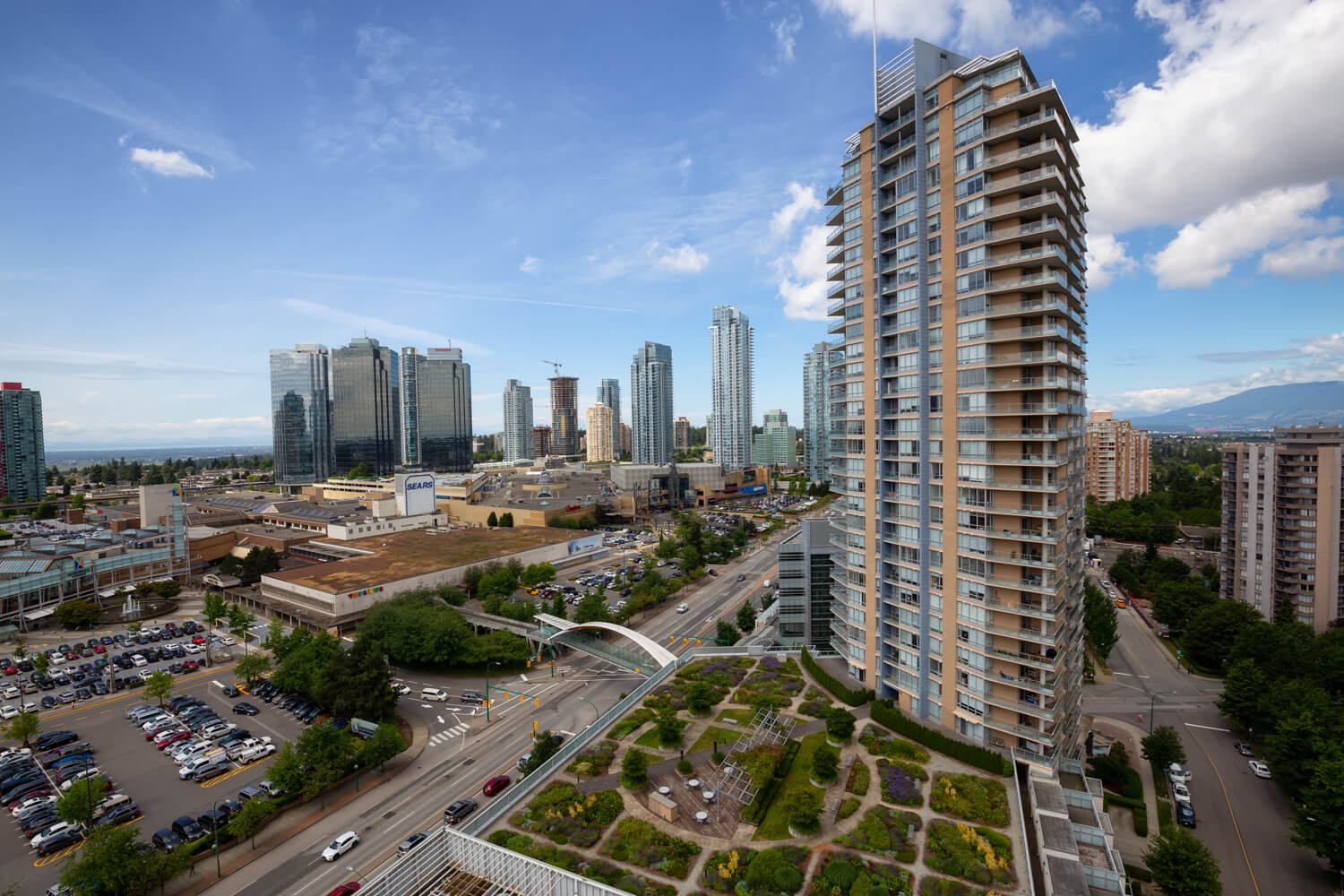
©CBC British Columbia: Developers are turning to bulk selling unsold condos in Vancouver
A Market Defined by Cycles, Not Linear Growth
Vancouver’s real estate market does not behave like a steady upward line. Instead, it moves in cycles of rapid growth, cooling periods, and renewed increases.
In strong periods, competition increases quickly, pushing prices upward in a short time. During slower phases, the market doesn’t necessarily collapse—it stabilizes or pauses while affordability catches up. Over time, however, the overall direction continues upward due to long-term demand pressure.
This cycle creates the impression of “surges and slowdowns,” but the underlying trend remains structurally strong because supply constraints never fully resolve.
Why Prices Surge in Vancouver
1. Geographic and supply limitations
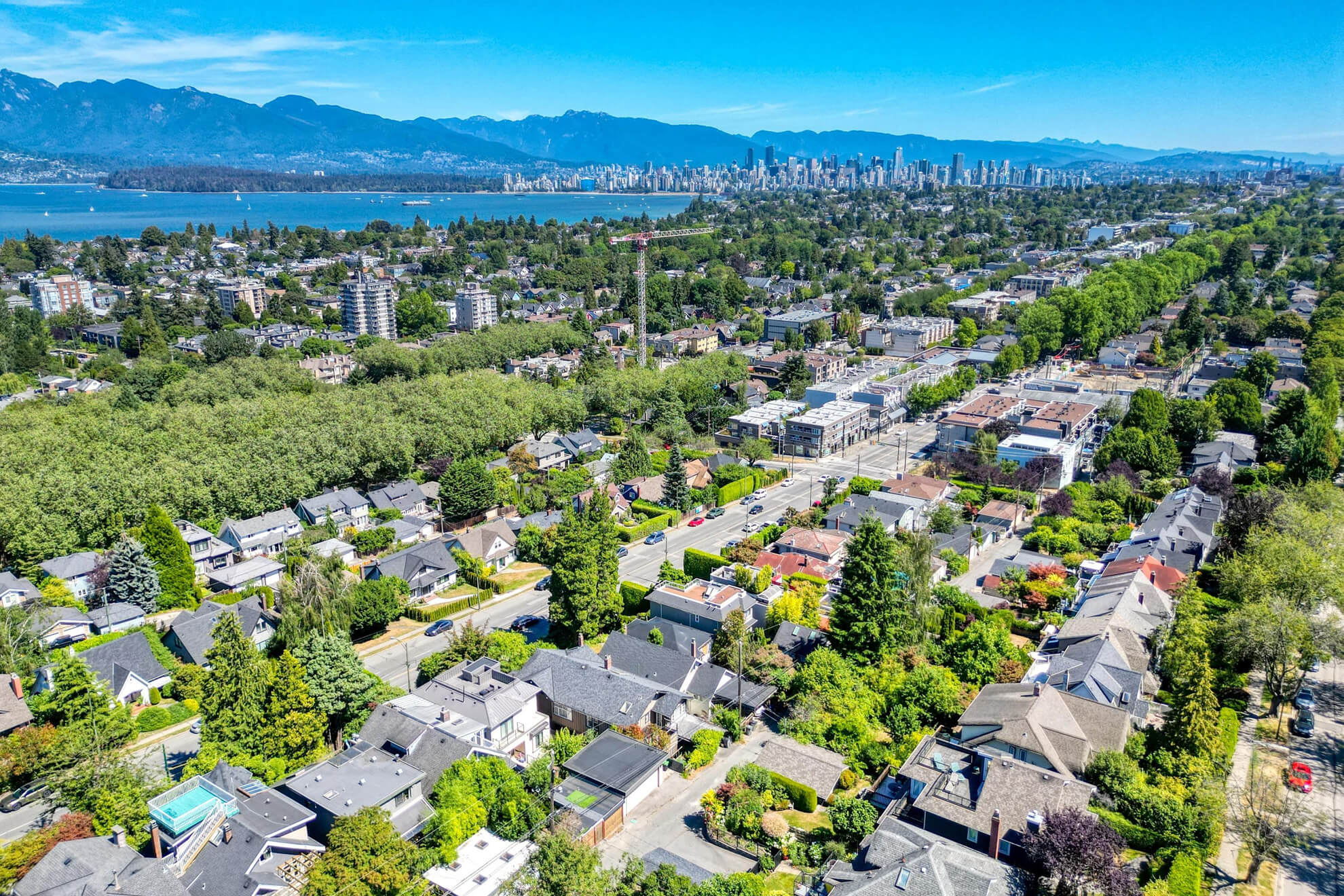
Vancouver is physically constrained by mountains, the ocean, and protected land areas. Unlike many cities that can expand outward, Metro Vancouver has a limited buildable footprint. On top of this, zoning regulations in established neighbourhoods restrict density, especially for detached housing.
As a result, even modest increases in demand can create sharp price acceleration due to lack of available supply.
2. Strong population growth
Metro Vancouver continues to attract both international immigration and domestic migration. The region offers strong employment opportunities, quality infrastructure, and a stable economy, making it one of Canada’s most desirable destinations.
However, housing construction does not always keep pace with population inflow, creating ongoing pressure on both rental and ownership markets.
3. Interest rate environment
Interest rates play a major role in housing affordability. When borrowing costs are low, buyers can access larger mortgages, increasing competition and pushing prices higher.
Historically, Vancouver’s fastest price growth periods have aligned with low interest rate cycles, where buying power expands significantly.
4. Investor and capital demand
Vancouver real estate has long been viewed as a strong long-term investment. This attracts both domestic and international capital into residential properties, especially condos and redevelopment opportunities.
While investor activity fluctuates over time, its long-term impact contributes to sustained upward pressure on land and housing prices.
Why the Market Slows Down
1. Higher borrowing costs
When interest rates rise, mortgage affordability decreases. Buyers become more cautious, budgets tighten, and some demand is temporarily removed from the market. This typically results in slower sales activity rather than a sharp decline in prices.
2. Policy and regulatory changes
Government interventions such as foreign buyer taxes, vacancy taxes, and stricter lending rules can cool market activity. These policies are designed to improve affordability but often lead to short-term demand adjustments.
3. Economic uncertainty
Periods of economic instability—such as inflation concerns, job market uncertainty, or global financial pressure—can reduce buyer confidence. In these times, many households delay purchasing decisions.
4. Affordability ceilings
Even in strong markets, there is a natural limit to what buyers can afford. Once prices reach certain thresholds relative to income, demand slows temporarily until income growth or interest rate changes rebalance affordability.
Why Prices Rise Again After Slowdowns
Despite periodic cooling phases, Vancouver’s housing market tends to resume upward movement over time. This is because the underlying drivers remain unchanged.
Population continues to grow, supply remains constrained, and construction costs continue to rise. Even when demand slows temporarily, it rarely disappears.
As a result, the market tends to reset and move upward again once conditions stabilize, often reaching new price levels in subsequent cycles.
What This Means for Homeowners
For homeowners in Metro Vancouver, these cycles have a direct impact on property strategy. In many cases, rising land values make moving less practical, especially when replacement homes are significantly more expensive.
This has shifted homeowner behaviour toward improving existing properties rather than relocating. Common strategies include:
- Renovating outdated homes to match current market value
- Adding secondary suites or rental units for income support
- Expanding living space through additions or extensions
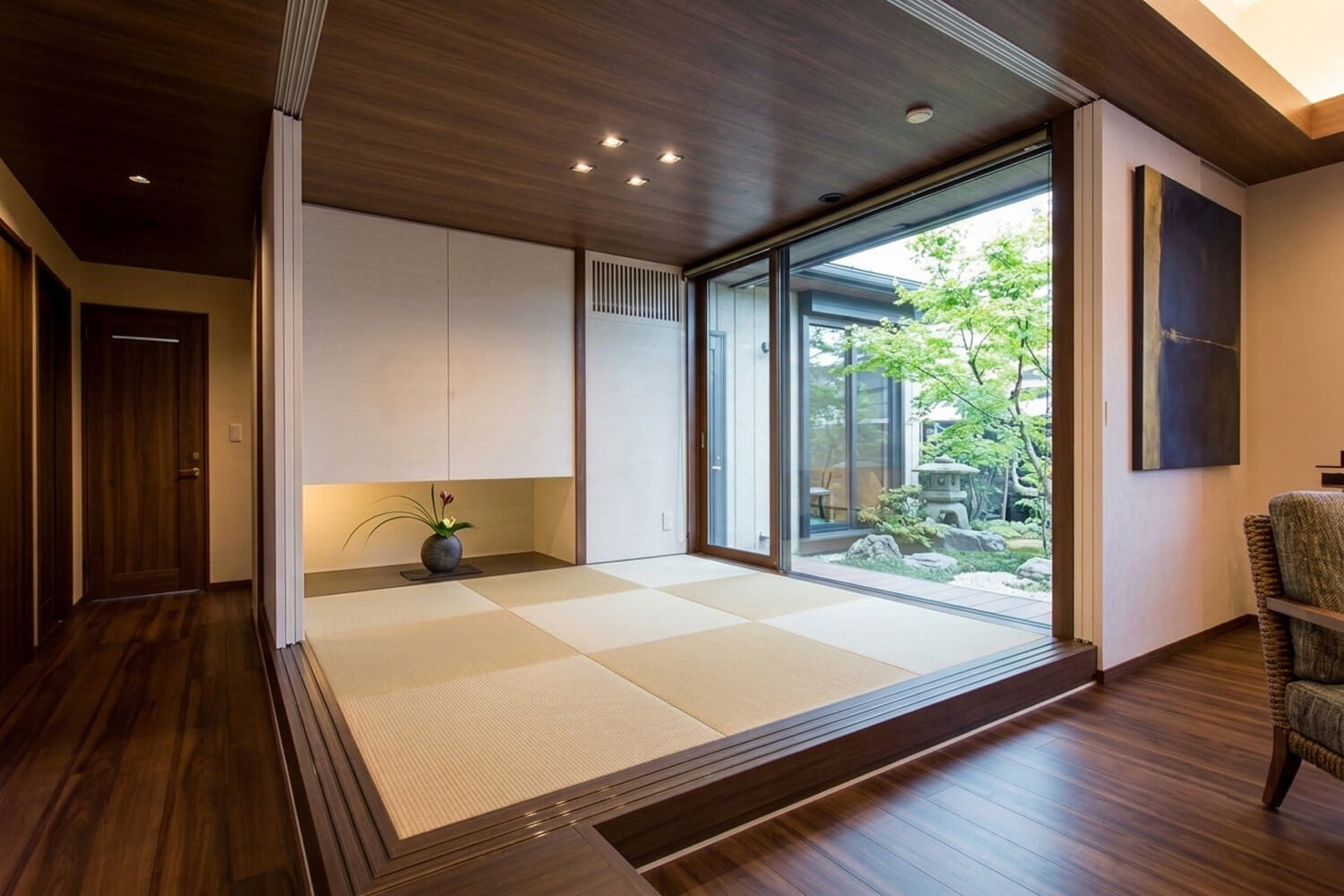
- Upgrading interiors to improve resale competitiveness
In high-value neighbourhoods, the land itself often holds more value than the structure, making strategic upgrades a key value driver.
How Market Cycles Drive Construction Demand
Vancouver’s real estate cycles directly influence construction and renovation activity across the region.
During growth periods, homeowners invest in upgrades to maximize property value. During slower periods, they tend to stay in place longer, leading to increased renovation and improvement projects instead of relocation.
This creates consistent demand for:
- Full-home renovations in older neighbourhoods
- Basement and suite conversions for rental income
- Structural additions and second-storey builds
- Energy efficiency upgrades in aging housing stock
- Redevelopment planning for long-term investment properties
Construction activity in Vancouver is therefore closely tied not just to population growth, but to affordability pressure and market structure.
Renovation Trends Across Metro Vancouver
Several renovation trends have become especially prominent in response to rising property values:
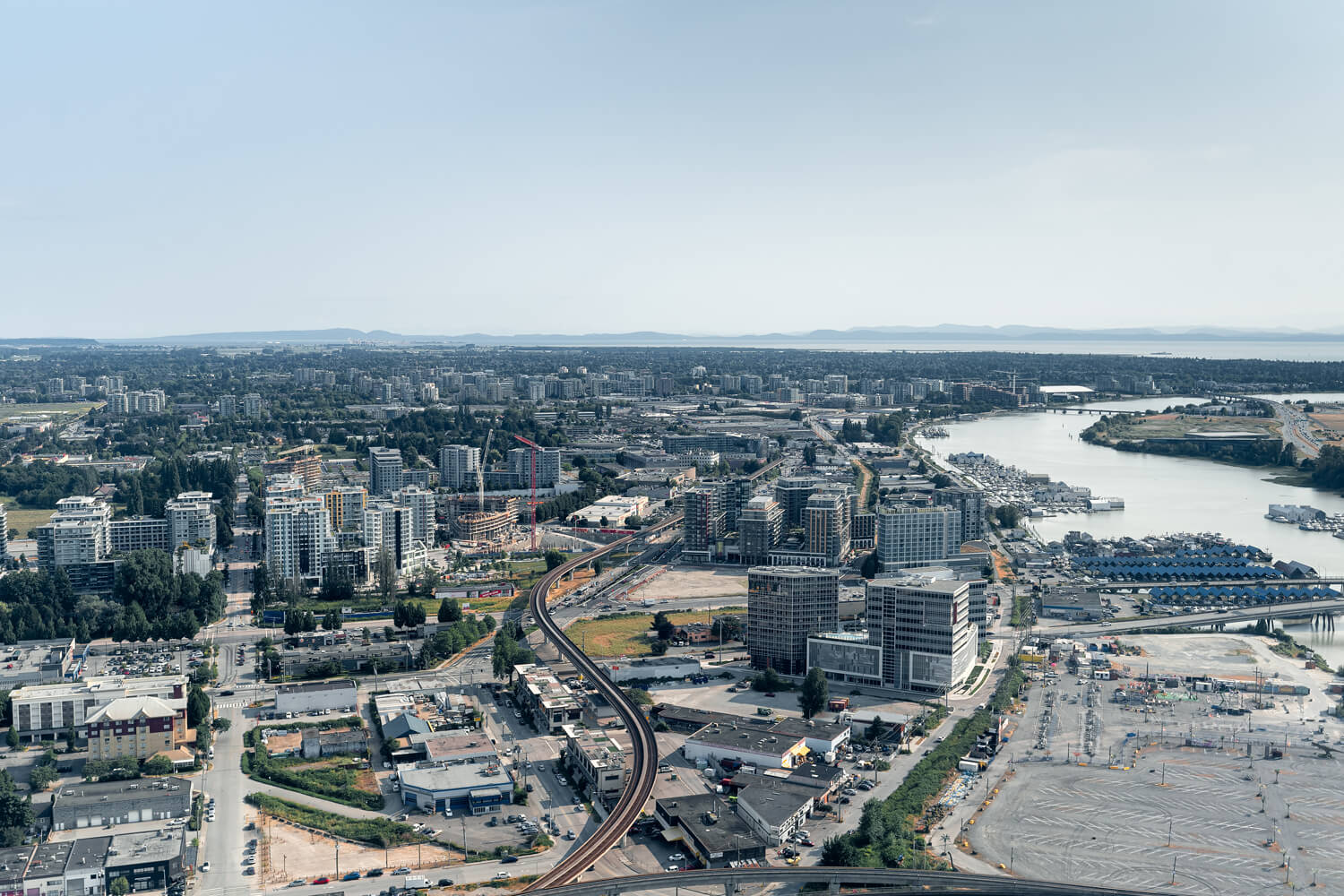
Older detached homes in areas like East Vancouver, Burnaby, and Richmond are frequently renovated rather than replaced. Many homeowners focus on maximizing usable space through basement suites or laneway homes to offset mortgage costs.
Kitchens and bathrooms are also major investment areas, as they significantly influence resale value in competitive markets. In addition, energy efficiency upgrades are becoming more common as operating costs rise and building standards evolve.
These trends reflect a shift toward maximizing value within existing housing stock rather than relying on new supply.
Key Takeaway
Vancouver’s housing market is not defined by steady growth or predictable cycles. Instead, it moves through recurring phases of rapid price increases, cooling periods, and renewed upward pressure.
However, the long-term direction remains upward due to persistent demand, limited land supply, and ongoing population growth.
For homeowners and investors, this creates an important reality:
Value is increasingly created not just by ownership, but by how effectively a property can be improved, adapted, and repositioned within the market.
This is where construction and renovation play a central role in Metro Vancouver’s real estate ecosystem.