Tatami Room vs Western Bedroom: Pros, Cons & Which Is Better?
Choosing between a tatami room and a Western-style bedroom goes beyond design preference. It affects comfort, lifestyle, maintenance, and even how your home space is used long-term.
Tatami rooms are rooted in traditional Japanese design, focused on minimalism and floor living. Western bedrooms, on the other hand, prioritize elevated furniture, storage systems, and modern convenience.
This comparison breaks down the key differences to help you decide which option is better for your home, lifestyle, and renovation goals.
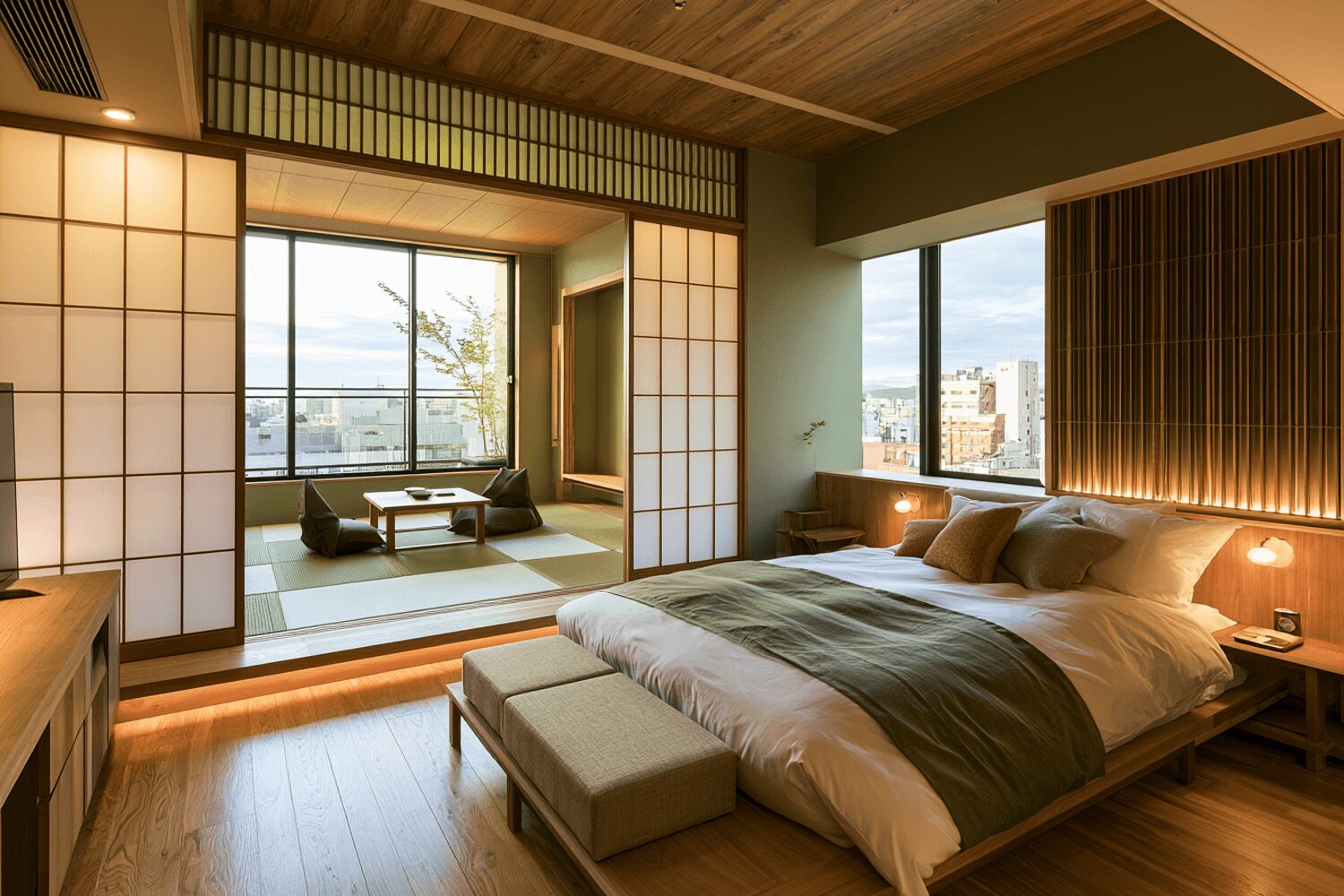
©NEVER TOO SMALL: Flexible Japanese Inspired Apartment, Thailand 33sqm/355sqft
What Is a Tatami Room?
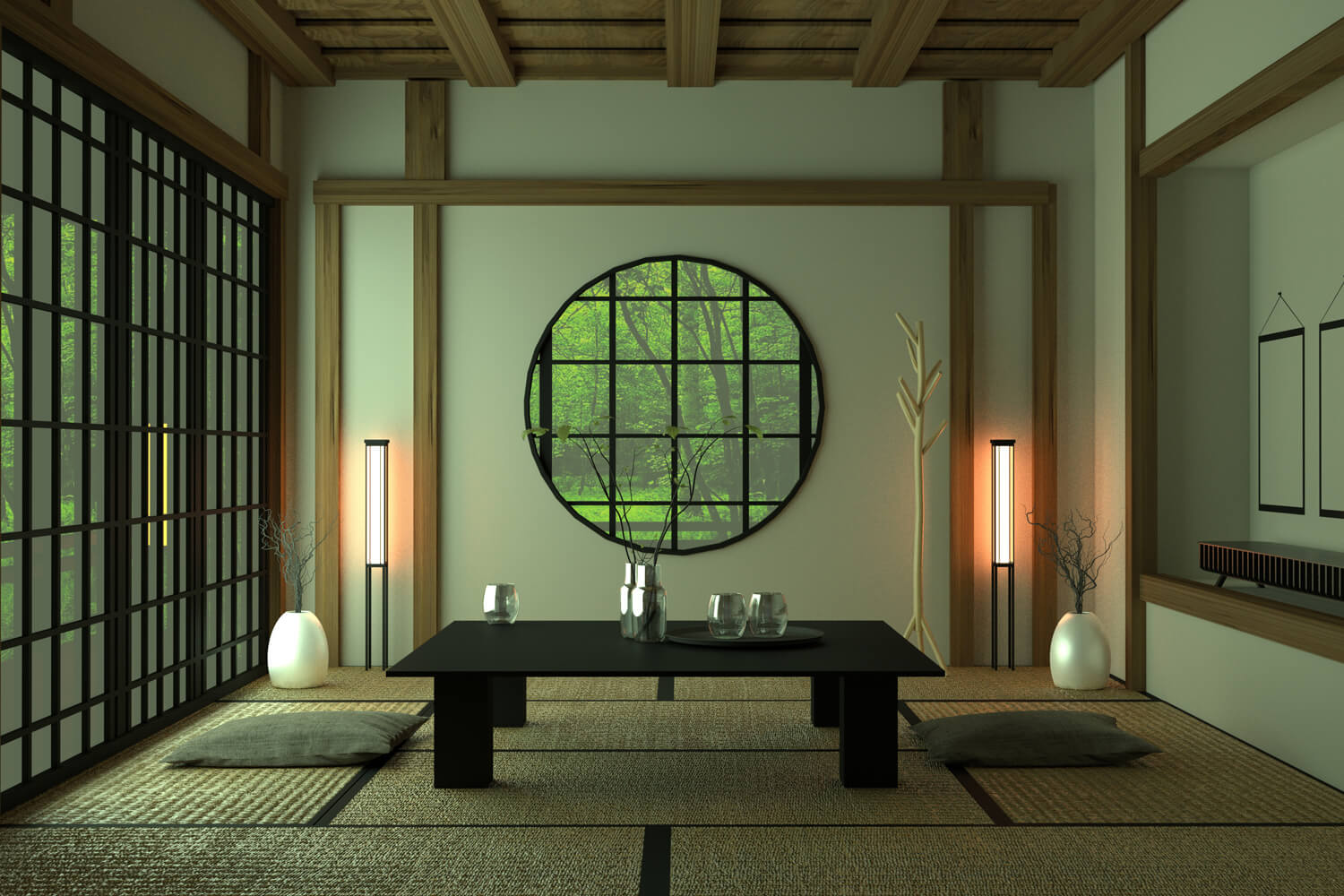
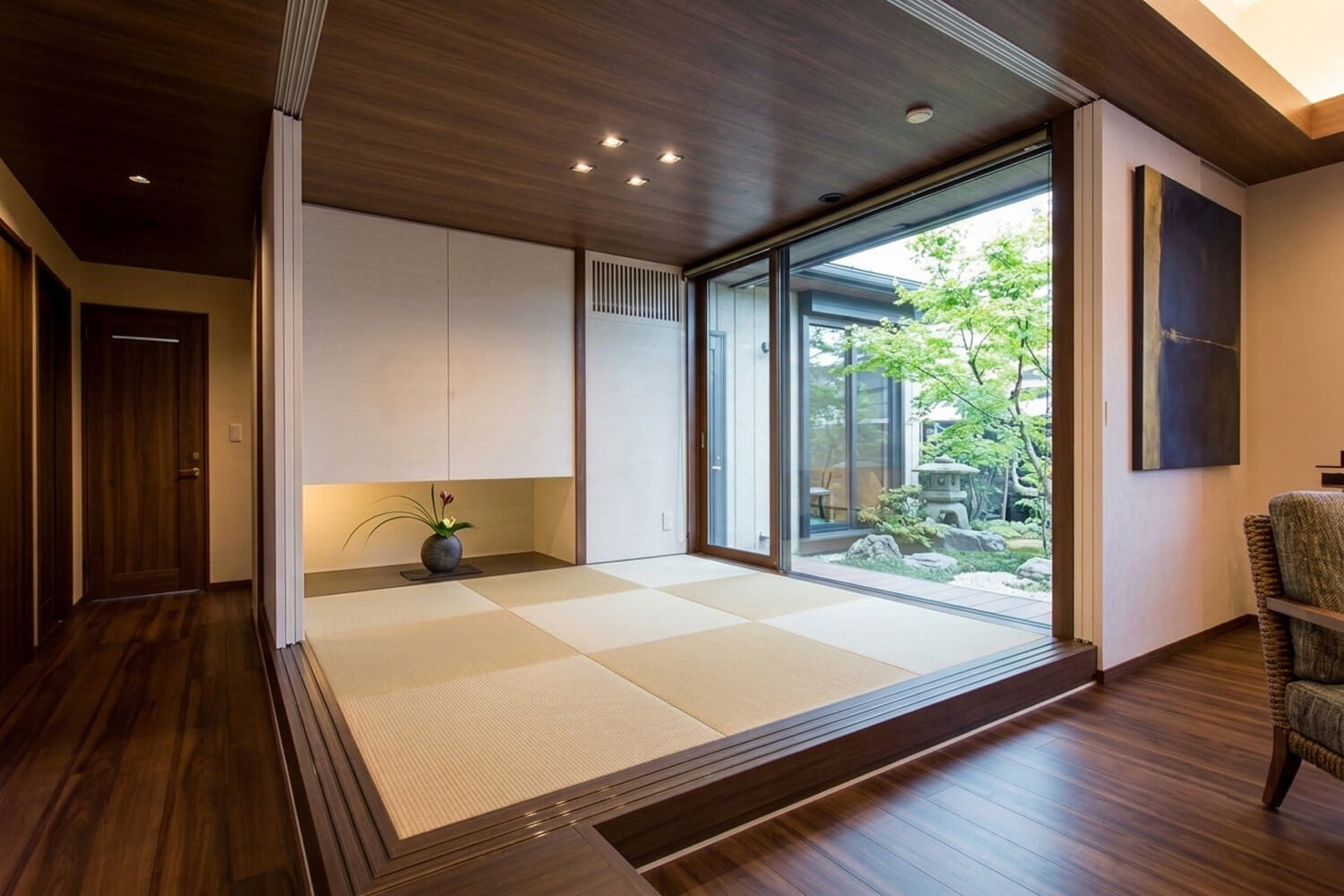
A tatami room is a traditional Japanese-style living space built around tatami mat flooring made from natural materials like rice straw and woven rush grass.
Instead of beds and bulky furniture, tatami rooms use:
- Futons for sleeping
- Floor cushions for seating
- Low tables for daily use
- Sliding doors for flexible space separation
The design emphasizes simplicity, calmness, and natural living.
Tatami rooms are often used for:
- Meditation or relaxation
- Minimalist sleeping spaces
- Guest rooms
- Multi-purpose flexible rooms
What Is a Western Bedroom?
A Western-style bedroom is the most common modern bedroom design used in North America and Europe. It typically features raised beds, structured furniture, and dedicated storage systems.
Key elements include:
- Elevated bed frames with mattresses
- Nightstands and dressers
- Built-in closets or wardrobes
- Carpeted or hardwood flooring
- Fixed room layout
Western bedrooms focus on comfort, storage efficiency, and everyday convenience.
Tatami Room: Pros
1. Minimalist and calming design
Tatami rooms create a clutter-free environment that promotes relaxation. The natural materials and low-profile layout reduce visual noise, making the space feel peaceful and balanced.
2. Flexible multi-use space
A tatami room can function as a bedroom, meditation space, or living area depending on how it is arranged. This makes it highly adaptable for smaller homes or multi-purpose rooms.
3. Strong connection to natural materials
Tatami flooring is made from natural fibers, creating a soft, organic feel underfoot. This appeals to homeowners interested in wellness-focused or nature-inspired interiors.
4. Efficient use of space
Without bulky furniture, tatami rooms can feel more open and spacious, even in smaller homes.
Tatami Room: Cons
1. Higher maintenance requirements
Tatami mats require careful cleaning, humidity control, and protection from moisture. Without proper care, they can wear faster than conventional flooring.
2. Limited furniture compatibility
Heavy furniture can damage tatami mats, which restricts design flexibility compared to Western bedrooms.
3. Less storage space
Because tatami rooms avoid large furniture, storage must be built-in or external, which may not suit all households.
Western Bedroom: Pros
1. High comfort and convenience
Western bedrooms are designed around mattresses, which many people find more comfortable for long-term sleep.
2. Strong storage solutions
Closets, wardrobes, and dressers provide organized storage, making it easier to maintain a clutter-free home.
3. Low maintenance
Hardwood, laminate, or carpet flooring is easier to clean and does not require the same care as tatami materials.
4. Familiar lifestyle design
Most people are already accustomed to Western-style bedrooms, making them practical and easy to live in without adjustment.
Western Bedroom: Cons
1. Less flexible use of space
Furniture layout is fixed, which limits how the room can be repurposed.
2. Can feel visually heavier
Large furniture pieces and storage units can make smaller rooms feel crowded.
3. Less connection to natural materials
Compared to tatami rooms, Western bedrooms often rely more on manufactured materials and less on natural textures.
Key Differences at a Glance
When comparing tatami rooms and Western-style bedrooms, the differences go beyond aesthetics. They reflect two completely different approaches to how living spaces are designed and used.
Tatami rooms prioritize simplicity, adaptability, and natural materials, while Western bedrooms focus on structured comfort, storage efficiency, and everyday convenience. The following points highlight the core differences between the two styles.
- Tatami rooms focus on minimalism and flexibility
- Western bedrooms focus on comfort and storage
- Tatami requires more maintenance but offers versatility
- Western bedrooms offer more convenience but less adaptability
Which Is Better for Your Home?
There is no universal answer—the best choice depends on your lifestyle and renovation goals.
Choose a tatami room if you want:
- A calm, minimalist environment
- A flexible multi-purpose space
- A Japanese-inspired interior design style
- A wellness-focused home atmosphere
Choose a Western bedroom if you want:
- Maximum comfort and convenience
- Easy maintenance
- Strong storage solutions
- A traditional North American living setup
Can You Combine Both Designs?
Yes—many modern homes now blend both styles.
For example:
- Western bed with tatami accent flooring
- Tatami meditation corner inside a Western bedroom
- Sliding partitions to create hybrid flexible rooms
- Minimalist Japanese design elements in modern interiors
This hybrid approach is becoming increasingly popular in renovation projects, especially in urban homes where space efficiency matters.
Renovation
Perspective: Why This Matters
From a construction and renovation standpoint, the choice between tatami and Western design affects:
- Flooring systems
- Subfloor preparation
- Room layout planning
- Moisture control requirements
- Furniture integration
- Long-term maintenance strategy
This is why homeowners often consult renovation professionals when considering a tatami conversion—it is not just aesthetic, but structural.
Final Thoughts
Tatami rooms and Western bedrooms offer two very different living experiences. One prioritizes simplicity and natural living, while the other emphasizes comfort and practicality.
The right choice depends on your lifestyle, maintenance preferences, and how you want your home space to function.
For many homeowners, the best solution is not choosing one over the other—but integrating both into a modern hybrid design.