
What Is a Tatami Room? Understanding the Japanese-Style Room
A Guide to Japanese-Style Rooms, Their History, and How You Can Bring Zen Into Your Home
In today’s busy world, many people want a quiet and peaceful place to relax. In Canada, more homeowners are choosing simple and meaningful designs that bring calm to their homes. One popular idea is the tatami room, a traditional part of Japanese houses that shows balance, simplicity, and a close connection to nature.
In this article, we will explain what a tatami room is, how it fits into Japanese-style rooms, its history, the benefits of having one, and how people in Canada are bringing this calm and peaceful style into their own homes.
©Craftsmanship Process – SUIGENKYO: 5,760 HOURS OF WORK!? – The Process of Making Japanese Traditional Tatami.
What Is a Tatami Room?
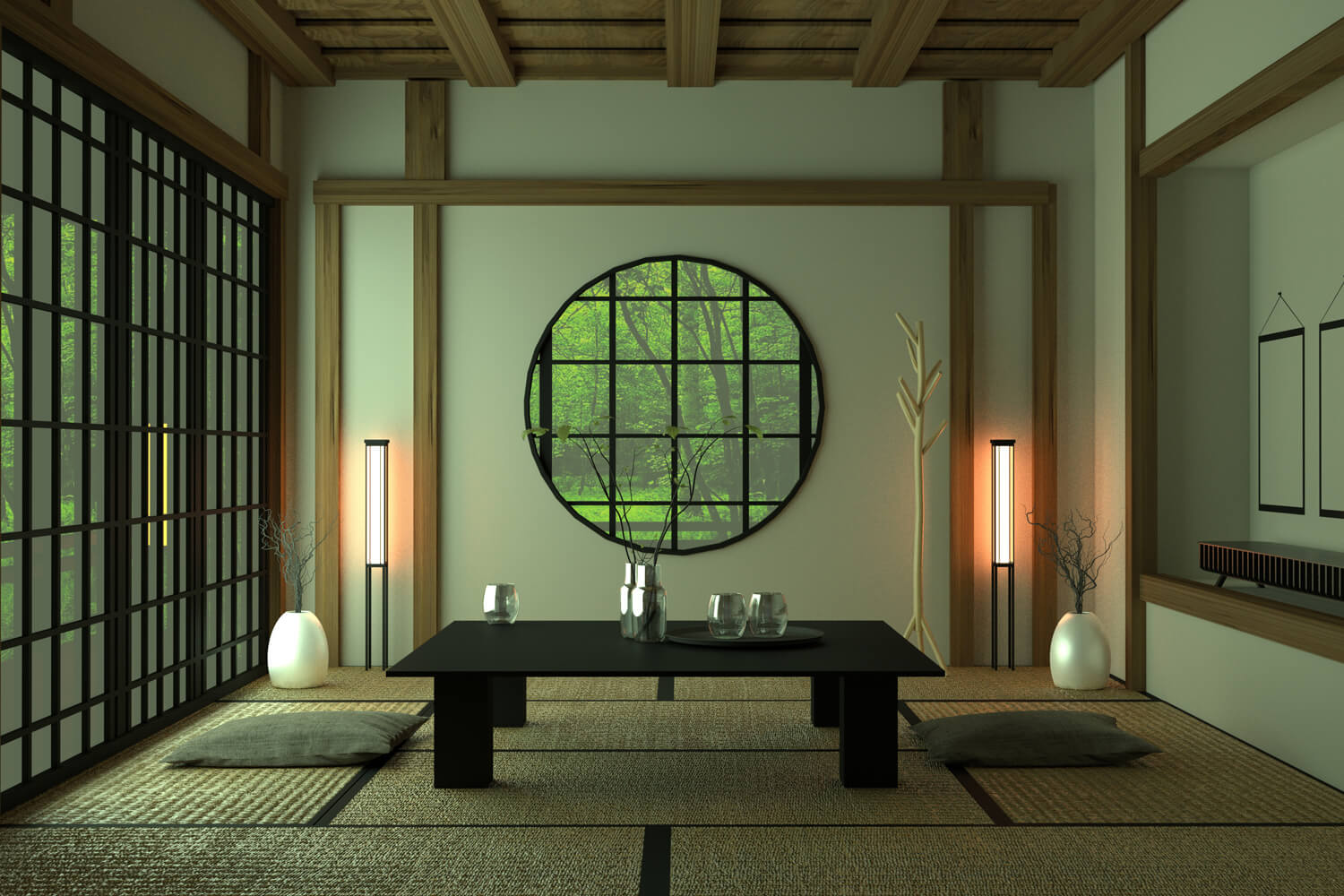
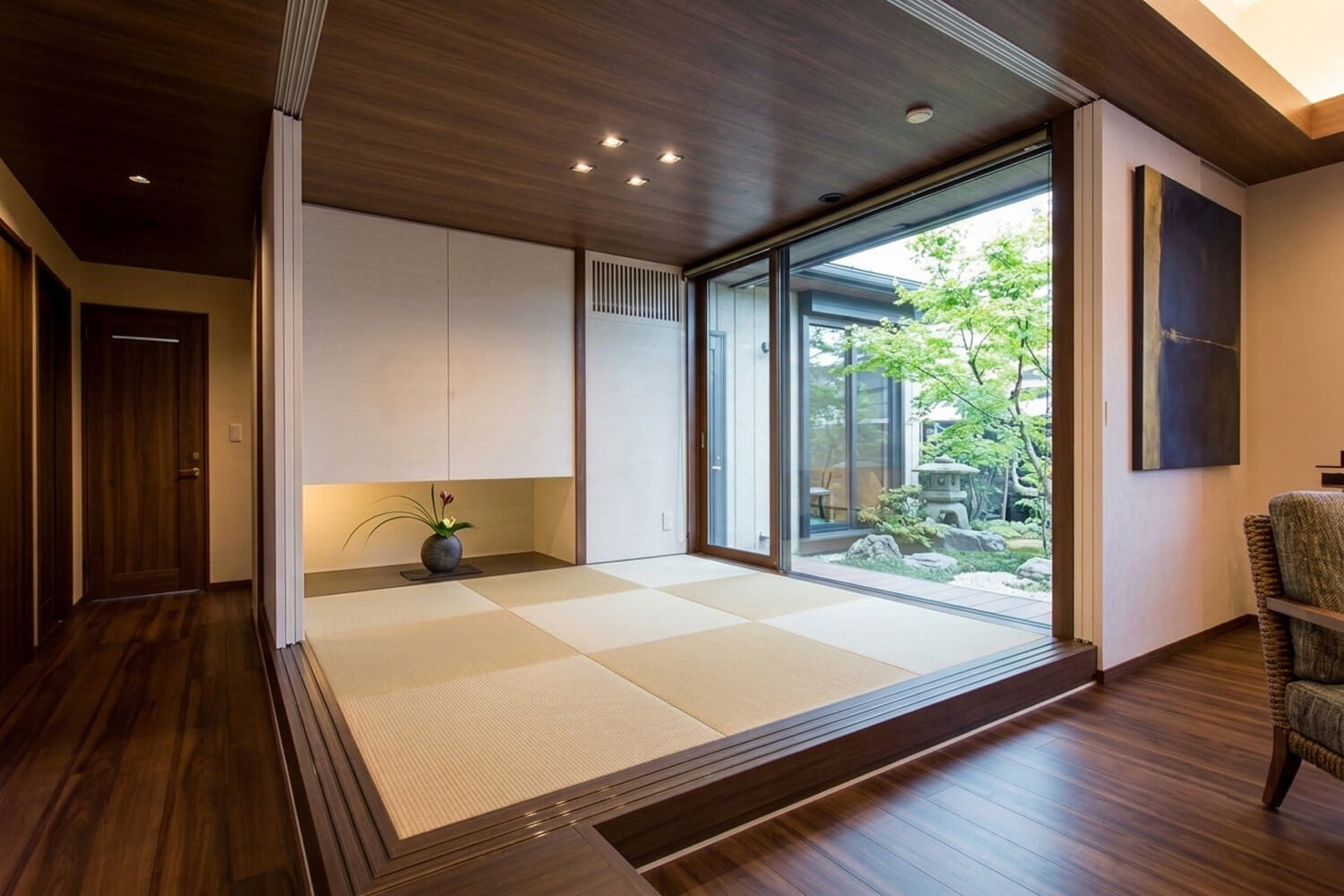
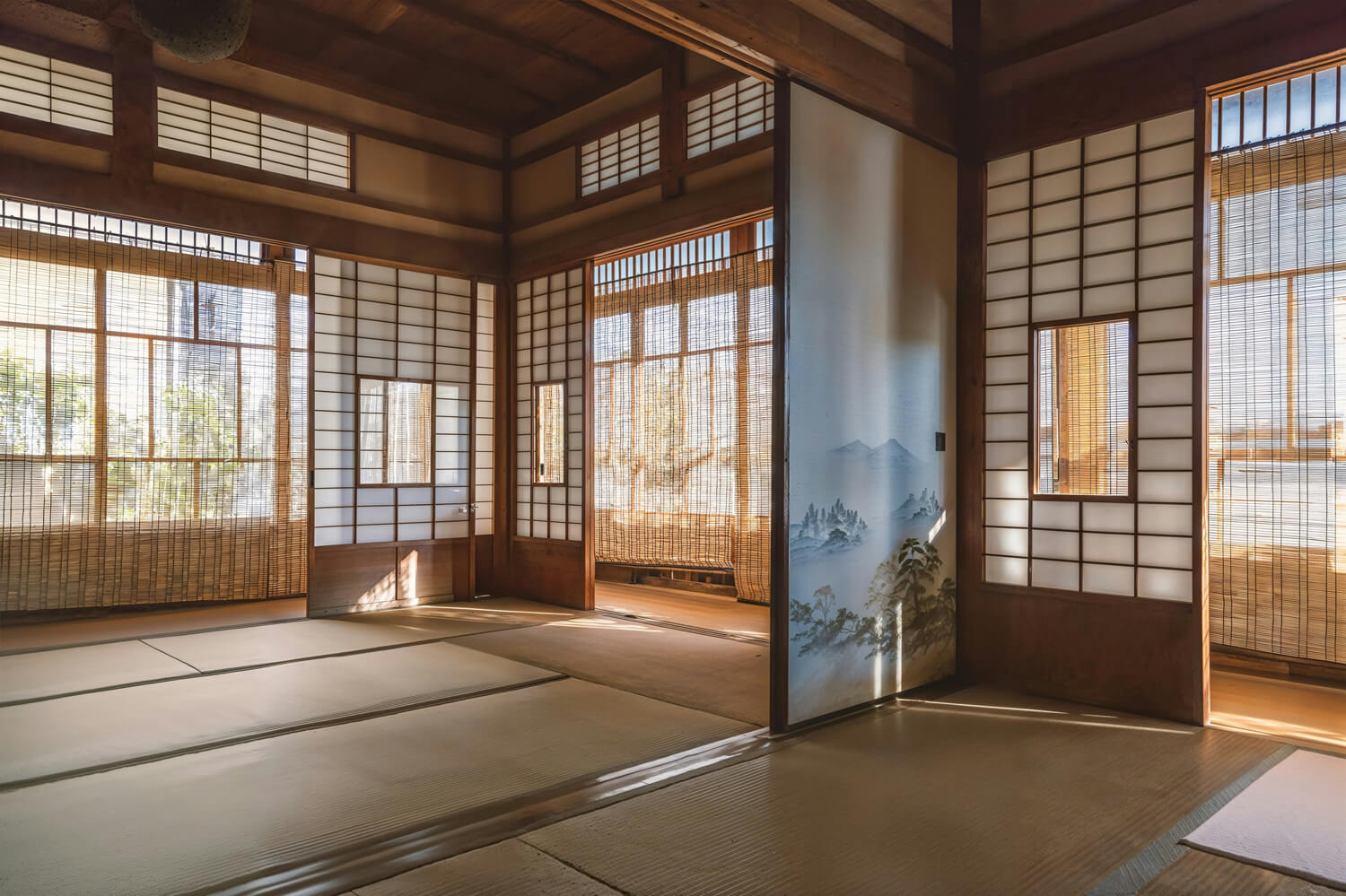
A tatami room is a traditional Japanese space that features tatami mats — rectangular floor mats made from natural rice straw and covered with woven soft rush grass (igusa). These mats form the foundation of the room and define both its layout and aesthetic. A tatami room is also known as a washitsu (和室), which translates to “Japanese-style room.”
These rooms are deeply ingrained in Japanese architecture and culture. They’re used for various purposes including tea ceremonies, meditation, sleeping, or hosting guests. While the design may appear simple on the surface, every element in a tatami room is intentional, reflecting centuries of tradition and mindfulness.
A Brief History of the Tatami Room
Tatami mats first appeared in Japan during the Heian period (794–1185) as luxury items for nobility. Originally, they were not used to cover entire floors but rather placed in small sections for aristocrats to sit on. By the Muromachi period (1336–1573), tatami rooms began to take shape as full rooms in samurai residences and temples.
In the Edo period (1603–1868), the washitsu became standard in most Japanese homes, with strict aesthetic rules and arrangements. These rooms often included shoji screens (translucent sliding doors), fusuma (opaque sliding panels), a tokonoma (decorative alcove), and low furniture or floor cushions (zabuton).
Tatami rooms are still used in Japan today — in both traditional homes and modern apartments — and are considered sacred spaces that represent peace, mindfulness, and respect for nature.
Key Elements of a Japanese-Style Tatami Room
Tatami Mats
Made from rice straw and woven rush grass, tatami mats have a slightly springy, soft feel underfoot. They’re arranged in specific patterns and measured in “tatami mat units,” which historically dictated room size and layout. The scent of fresh tatami is subtle and earthy — often described as calming.
Shoji Screens
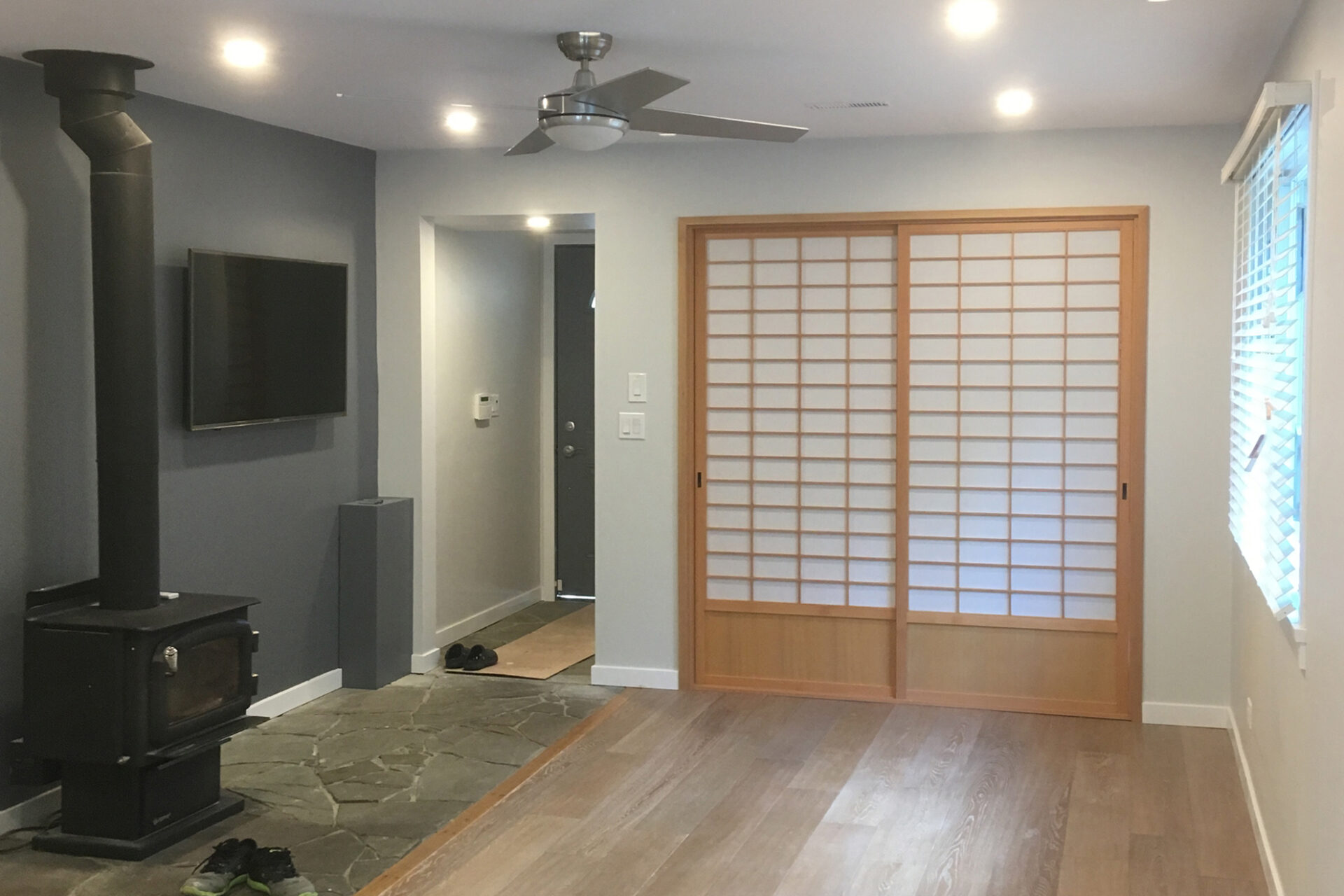
These sliding doors are crafted from thin wooden frames covered with translucent washi paper. They allow soft, diffused natural light to fill the room, enhancing the feeling of serenity.
Tokonoma
A recessed alcove used to display art, calligraphy, ikebana (flower arrangements), or seasonal decorations. It’s a spiritual and aesthetic focal point of the room, traditionally located on the wall opposite the entrance.
Futon Bedding
Instead of a fixed bed, traditional tatami rooms use foldable futons that are rolled out for sleeping and stored during the day — freeing up space and maintaining simplicity.
Low or No Furniture
Furniture in a tatami room is minimal and low to the ground — often just a chabudai (short-legged table) with floor cushions or a zabuton. Some rooms have no furniture at all, encouraging mindfulness and freedom of movement.
Benefits of a Tatami Room in Your Home
1. Tranquility and Mindfulness
Tatami rooms are designed to reduce visual and physical clutter. This encourages a slower pace of life, promoting mental clarity, relaxation, and meditation.
2. Eco-Friendly and Natural
Tatami mats are made from natural materials, such as straw and grass. They’re biodegradable, breathable, and free from synthetic chemicals — ideal for those who value sustainability and indoor air quality.
3. Health Benefits
Sleeping on futons on a tatami mat floor may improve posture and reduce back pain. Tatami also absorbs moisture and regulates humidity, making the room feel fresher and more comfortable year-round.
4. Space-Saving Design
Because futons and furniture can be stowed away, the space can easily transform from a living area to a guest room or meditation space. This is particularly beneficial in urban Canadian homes or condos where space is at a premium.
5. Culturally Enriching
A tatami room adds a layer of cultural depth to your home. Whether you have a connection to Japanese heritage or simply admire the aesthetic, it’s a meaningful and respectful way to engage with timeless design principles.
Modern Tatami Rooms in Canadian Homes
While traditional Japanese homes are built with tatami rooms in mind, you don’t need to follow every detail to incorporate this aesthetic into your Canadian home. Many homeowners are creating Japanese-inspired spaces by blending modern and traditional elements:
Design Ideas for Canadian Homes:
- Install tatami mats in a dedicated reading nook, yoga room, or guest room
- Use shoji screens as stylish space dividers in open-concept homes
- Incorporate natural woods, neutral colors, and low furniture for a calming aesthetic
- Add elements like bonsai, washi lanterns, or minimalist art for visual harmony
- Combine Japanese and Scandinavian (Japandi) design for a modern fusion look
How to Care for a Tatami Room
To keep your tatami room in good condition:
- Avoid shoes: Always remove footwear to protect the mats.
- Ventilate the room: Tatami needs fresh air to prevent moisture buildup.
- Clean gently: Use a dry cloth or vacuum with a soft brush attachment.
- Rotate mats: Periodically rotating them helps prevent uneven wear and discoloration.
Final Thoughts: Bringing the Zen Home
A tatami room is more than just a design feature; it’s a reflection of intentional living, rooted in centuries of culture and tradition. Whether you’re renovating a room in your home, building a custom space, or simply seeking a peaceful corner for rest and reflection, a Japanese-style tatami room offers an elegant, calming solution.
In Canada, where modern living often prioritizes efficiency and comfort, the tatami room brings a welcome pause, a gentle invitation to slow down, reconnect with nature, and find balance within your space.
Thinking about adding a peaceful space to your home? Learn how a Japanese-style tatami room could be the perfect fit and how we can help you create it.
©japan-guide.com: Japanese-style rooms